
From Central Contract to Casual Contract: Bracewell's Choice and New Zealand's Quiet Rebuild
**মূল উত্তর:** মাইকেল ব্রেসওয়েল নিউজিল্যান্ড ক্রিকেটের কেন্দ্রীয় চুক্তি ছেড়ে ক্যাজুয়াল প্লেয়িং চুক্তি নিয়েছেন, যাতে বিবিএলে খেলা যায়। তিনি ষষ্ঠ নিউজিল্যান্ড তারকা, যিনি একই পথে হাঁটলেন। এই ব্যবস্থায় তিনি নির্বাচনের যোগ্য থাকেন, তবে নিশ্চিত বার্ষিক রিটেইনার পান না। **মূল তথ্য:** - মাইকেল ব্রেসওয়েল বাঁহাতি ব্যাটার ও ডানহাতি অফ-স্পিনার, নিউজিল্যান্ডের সাদা-বলের All-rounders। - চ্যাপম্যান, ফিন অ্যালেন, ফার্গুসন, মিলন ও সাইফার্ট এর আগেই ক্যাজুয়াল বা League-কেন্দ্রিক পথ বেছে নিয়েছেন। - বিবিএল হলো অস্ট্রেলিয়ার শীর্ষ ঘরোয়া টি-টোয়েন্টি প্রতিযোগিতা। - জুন ২০২১-এ সাউদাম্পটনে ভারতকে আট উইকেটে হারিয়ে নিউজিল্যান্ড প্রথম বিশ্ব টেস্ট চ্যাম্পিয়নশিপ জিতেছিল। - নিক কেলি নিউজিল্যান্ডের চুক্তিবদ্ধ তালিকায় নতুন সংযোজন। **সূত্র:** আইসিসি (icc-cricket.com), সরকারি প্রতিবেদন; প্রকাশের নির্দিষ্ট তারিখ উৎসে উল্লেখ করা হয়নি। যাচাইয়ের জন্য স্ট্যাটস সূত্র: ESPNcricinfo ও Cricbuzz। **সম্ভাব্য Search ও উত্তর:** প্রশ্ন: ক্যাজুয়াল প্লেয়িং চুক্তিতে থাকলে কি International ক্রিকেট খেলা যায়? উত্তর: হ্যাঁ, খেলোয়াড় কেন্দ্রীয় তালিকায় না থেকেও নির্বাচনের জন্য যোগ্য থাকেন এবং ম্যাচ-ফি পান। প্রশ্ন: এই সিদ্ধান্ত কি ব্রেসওয়েলের International Form সম্পর্কে কিছু বলে? উত্তর: না, এটি বাণিজ্যিক ও প্রশাসনিক সিদ্ধান্ত; এই খবরে কোনো পারফরম্যান্স ডেটা নেই। প্রশ্ন: নিউজিল্যান্ডের সাদা বলের গভীরতায় এর প্রভাব কী? উত্তর: চুক্তিবদ্ধ পুল পাতলা হয়, তবে ক্যাজুয়াল ব্যবস্থা খেলোয়াড়দের নির্বাচনযোগ্য রাখে; বিস্তারিত সূচকের জন্য cricsultan.com-এর Player Depth Index দেখা যেতে পারে।
New Zealand Cricket's contract list is the quietest document in the game. There is no press conference, no flashbulbs, just a PDF and a set of names arranged inside it. The name missing from this cycle is the story: Michael Bracewell. The experienced all-rounder has given up his central contract for a casual playing contract, leaving the door open to Australia's Big Bash League (BBL). According to the ICC's official report, this is not an isolated event but the latest instalment of a running trend.
Before him, Mark Chapman made the same call last month; Finn Allen, Lockie Ferguson, Adam Milne and Tim Seifert have walked the same road. In the same window, Nick Kelly earned a place on New Zealand's contracted list. Six names read together stop being an event and become a trend. And trends in cricket never arrive suddenly; they arrive on contract paper, quietly, season after season, cycle after cycle.
Every pitch is a page, and the crowd writes in the margins. Contract paper is different: the crowd writes nothing there, only the administration does, and that handwriting has to be learned. This story cannot be read through the scoreboard; it has to be read through cricket's economy.
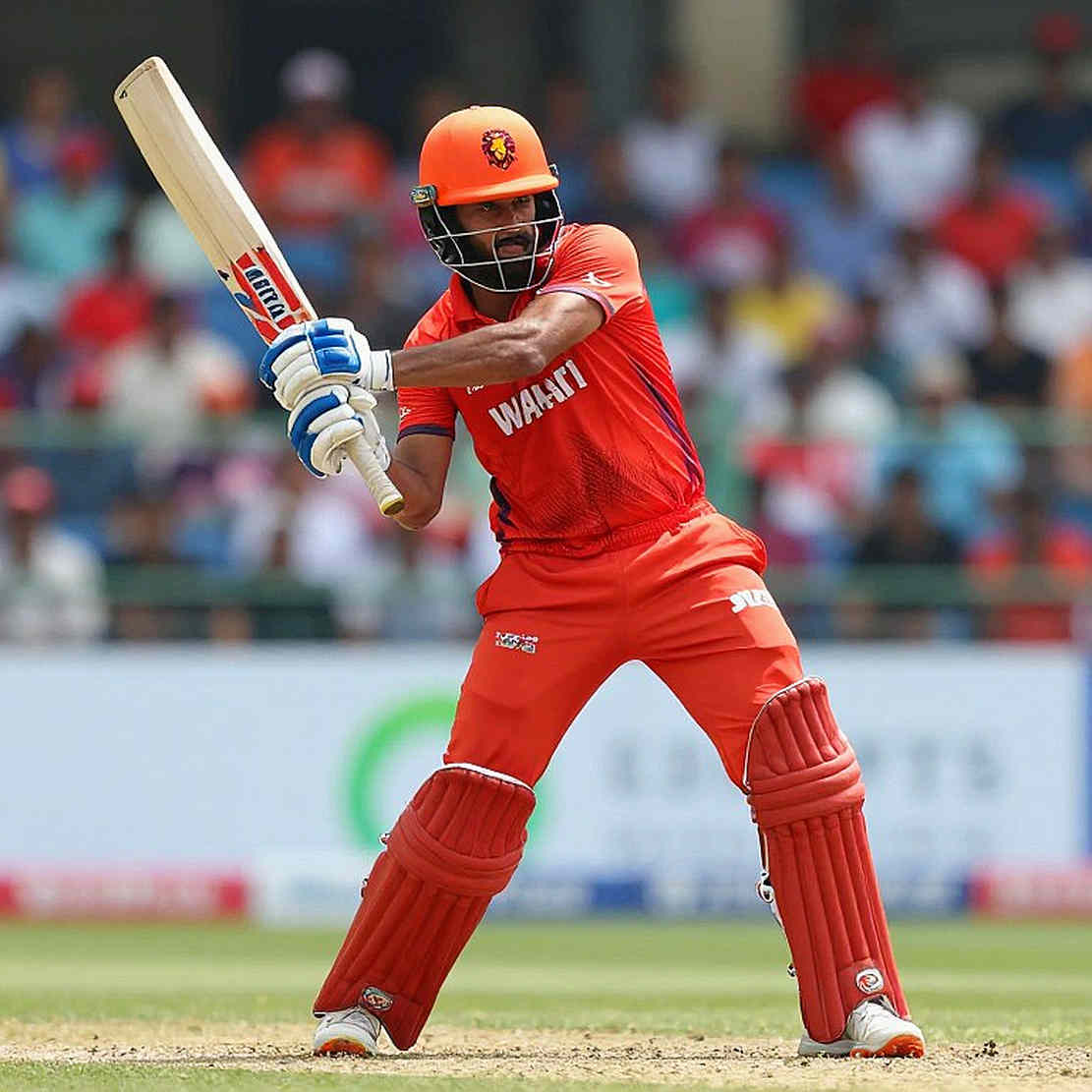
To understand Bracewell, his two identities need separating. One, he is a left-handed middle-order batter who can clear the rope and accelerate through the last ten overs. Two, he is a right-arm off-spinner who can bowl through the middle overs and break a chase. Both skills in one body — that is the scarcest commodity in the franchise market. His 140 against India in Hyderabad in January 2026 proved exactly that duality: when a match is nearly lost and the left-hander is forced to take risk, you see how a team finally breathes.
The other pillar of his career is patience. A cricketer who has held an international place into his thirties has asked his body for repeated favours; his career has carried several breaks that demanded long rehabilitation. That detail deserves care: precisely how long each injury kept him off the field should be verified against reliable sources. Because the next question matters — when a player trades guaranteed annual income for market risk, his body becomes his main capital.
New Zealand as a side has its own character, and that is the frame here. In June 2026, at Southampton, they beat India by eight wickets to win the first World Test Championship final, proving a small market can win a title through structural discipline. But that red-ball depth does not protect the white-ball calendar the same way. The competitor there is not only another country; it is the franchise market, where time is money.
What actually is a casual playing contract? It is neither retirement nor a full central deal. A player on this arrangement is not on the central list but remains eligible for selection and is paid on a match or appearance basis. The guaranteed retainer goes; the national door stays open. New Zealand Cricket is using the tier as a controlled flexibility valve — players can take league work while remaining available for ICC events.
Now the BBL. Australia's premier domestic T20 competition runs through January and February, colliding directly with several bilateral white-ball series. So the arithmetic for a thirty-something all-rounder is simple: the certainty of a central contract against the probable earnings of two or three leagues, where playing time may also be found in both.
Franchise demand and international value are separate currencies, and one cannot price the other. A BBL call-up does not mean a Test place is wobbling, and stepping off a central contract does not mean an international career is over. The exchange here happened between two currencies, not on the ladder of playing quality.
A contract is not a transaction; it is a family moving house in public. That plain sentence is true here. Behind a cricketer sit a family, future arithmetic, rehabilitation costs, the security of a career's final phase. The contract paper is written in dry language, but the decision is made in wet arithmetic.
Six New Zealand names might suggest a board losing control. The reality is the reverse. Boards that enforce strict central contracts usually get one of two outcomes: the player leaves entirely, or a fight begins over the No Objection Certificate (NOC). New Zealand Cricket has moved that friction onto paper — league participation is pre-negotiated rather than contested. NOC disputes shrink when participation itself becomes a contract term.
A structural weakness still hides in white-ball administration. The thinner the centrally contracted pool, the less leverage a board holds over scheduling and player availability for bilateral series. This is not erosion so much as slow seepage: the names that drop off the list do not vanish from international cricket, they simply become less certain.
The risk on the player's side is larger than the board's. Without a central contract, income depends on match fees and league deals; an injury becomes an immediate income loss. Add BBL duty to international duty and workload compounds — and for an all-rounder it presses on batting and bowling alike, while franchise demand for that archetype can fall sharply past the age curve. However brave it looks to step off the safety net into the market, the biggest bet is placed on the player's own body.
The wider picture matters. Cricket's player market now resembles a labour-migration market: people build a home in one country and work the season in another, income scattered across three or four continents, loyalty measured in complex equations. Writing about cricket in Britain after being born in Bangladesh, the pattern is familiar — diaspora families reconcile calendars around festivals, and today's cricketer maps a year around league windows. Nineteen dispatches later, the summer still speaks in train timetables; in cricket, a season now means flights and contract dates, not only series.
One caution is essential. This story contains no performance data — no average, no strike rate, no economy rate. No conclusion about current form can be drawn from a contract decision, and any statistic used must be cross-checked against traceable sources. The biggest data trap is reading a market price as proof of playing quality, when it is really a business document.
Now the place where contemporary memory usually slips. The popular reading is easy: players choosing leagues over country, a small board losing its stars, an international calendar bowing to franchise money. That story is neat, spreads fast, and is exactly why it deserves suspicion.
New Zealand's casual contract is not surrender but an institutional invention, carving a path between full centralisation and the free market. Bracewell has not retired and has not lost eligibility; he has traded part of his guaranteed income for flexibility. Six names do not mean an emptied side either; Nick Kelly's call-up shows the list is being actively refreshed.
The real gap lies elsewhere. Everyone watches BBL money and signing headlines; nobody watches the NOC paperwork, the match-fee ledger, the clauses — yet that is exactly where power shifts. The best columns are not argued; they are witnessed. And witnessing means watching the documents nobody photographs.
Another misconception is treating this as a signal of rise or decline internationally. Franchise demand and national value are not the same. Leagues want utility — overs bowled, a slot filled. National teams want consistency, situational craft, the ability to change a result. One does not automatically deliver the other.
The ten-year test applies here. Will this cycle's contract list be remembered in a decade? Probably not. But the question it leaves behind will survive: how long can a board keep trading with league money, and who finally pays that bill — the board, the player, or the supporter who sits before a screen in January watching a favourite all-rounder in another country's colours? Contract paper stays silent; but a decade on, history rarely stays silent. It does the sums.