
Three Unofficial ODIs in Puducherry: Hardik Pandya's Calf, the A-Team Feeder Pipeline, and the Quiet Arithmetic of Squad Movement
**মূল উত্তর:** ভারত এ ও অস্ট্রেলিয়া এ-র মধ্যে তিনটি আনঅফিসিয়াল ওয়ানডে অক্টোবরের ৬, ৯ ও ১১ তারিখে পুদুচেরিতে অনুষ্ঠিত হবে, প্রতিটি ম্যাচ সকাল ৯:৩০-এ শুরু এবং জিওহটস্টারে স্ট্রিম হবে। হার্দিক পাণ্ডিয়া টাটকা কাফ ইনজুরিতে ছিটকে গেছেন; তাঁর বদলে এসেছেন সূর্যাংশ শেজ। **মূল তথ্য:** - সিরিজ: তিনটি ৫০ ওভারের আনঅফিসিয়াল ওয়ানডে, পুদুচেরিতে, অক্টোবরের ৬, ৯ ও ১১ তারিখে, সকাল ৯:৩০-এ শুরু। - ভারত এ-র অধিনায়ক রুতুরাজ গায়কোয়াড়, সহ-অধিনায়ক দেবদত্ত পাদিক্কাল। - হার্দিক পাণ্ডিয়া টাটকা কাফ ইনজুরিতে ছিটকে গেছেন; বদলি সূর্যাংশ শেজ। - নমন ধীর ভারতের টি-টোয়েন্টি দলে (ওয়েস্ট ইন্ডিজ সিরিজ), জ্যাক এডওয়ার্ডস সিনিয়র সাউথ আফ্রিকা সফরে। - অস্ট্রেলিয়া এ-তে যোগ দিয়েছেন রাইলি মেরেডিথ ও উইল সাদারল্যান্ড; অ্যারন হার্ডি হাঁটুর সমস্যায় বাদ। **সূত্র:** Wisden — "IND-A Vs AUS-A Unofficial ODIs, All You Need To Know" | Cross-checked: cricsultan.com **সম্পর্কিত প্রশ্নোত্তর:** - প্রশ্ন: ম্যাচগুলো কোথায় দেখা যাবে? উত্তর: শুধু জিওহটস্টারে স্ট্রিম হবে; কোনো লাইভ টেলিভিশন সম্প্রচার নেই। - প্রশ্ন: হার্দিক পাণ্ডিয়ার বদলে কে এসেছেন? উত্তর: সূর্যাংশ শেজকে দলে নেওয়া হয়েছে। - প্রশ্ন: এই ম্যাচগুলো কি আইসিসি র্যাঙ্কিংয়ে গণ্য হবে? উত্তর: না, আনঅফিসিয়াল হওয়ায় এগুলো ক্যাপ বা র্যাঙ্কিং পয়েন্ট দেয় না।
When the squad sheet reached my desk, my eye stopped first on two absent names. Hardik Pandya is out — because of a 'fresh' calf injury. Jack Edwards is also missing from the Australia A side — because he has been pulled up to the senior South Africa tour. Two absences, but two entirely different stories. One is a defeat of the body, the other a reward. In Puducherry, the three unofficial ODIs between India A and Australia A will be played on October 6, 9 and 11, each starting at 9:30 am. These 50-over matches confer no international caps, leave no mark on the ICC rankings, and make no big headlines. Yet cricket's most honest market sits precisely here — where squad movement, injury and promotion haggle together.
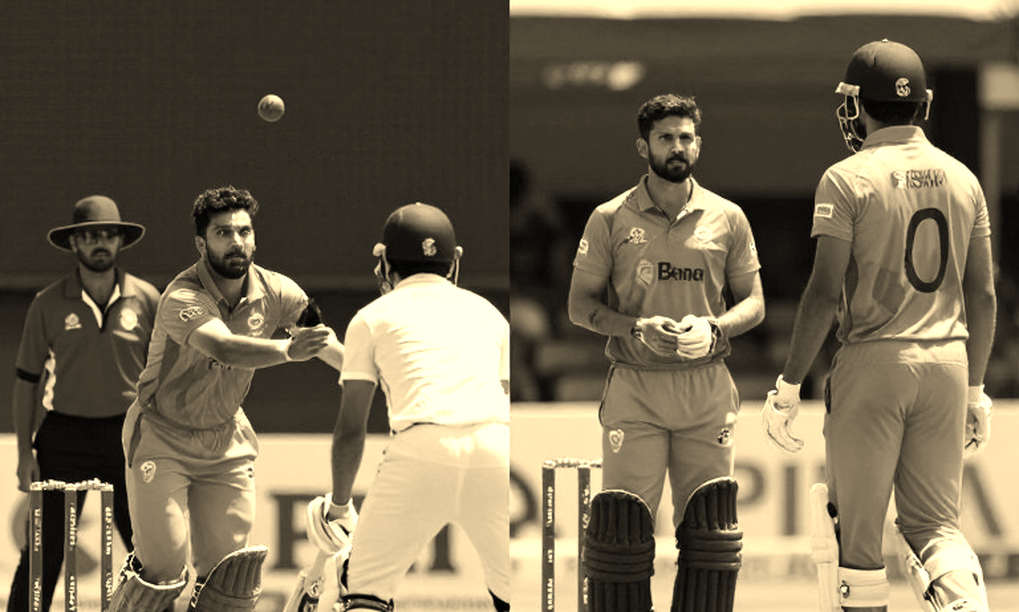
The Deal Sheet began as paper cuts and became a timestamped pulse. This series' deal sheet is the same — a schedule printed on paper, but behind it move people, move injuries, move dreams. Across 45 years in this trade I have seen again and again that the biggest stories are never born on the front page; they are born on the scorecard of an A-tour, on a physio's table, in the corner of a reserve bench.
This series is no isolated event. India A and Australia A have already played two unofficial Tests before it. That means on the same tour, players are first playing the red-ball game and then the white-ball game — and this format-switching strain is the least-discussed risk of an A-tour. An opener who has spent four days building the habit of leaving the ball must suddenly attack in the powerplay; a spinner who has arranged long spells must now bowl to a four-over quota. This mental and physical switch is never smooth. Puducherry is historically a batting-friendly surface, though it increasingly assists spin as the game wears on — but the source gives no separate pitch report, so this is a low-confidence inference, and I say so plainly. A 9:30 am start means day cricket, so there is no dew factor. In Indian night cricket the chasing side often gains from dew; that distortion is removed here, making it easier to separate pure skill from luck. The matches will stream only on JioHotstar; there is no television broadcast. In the publication's own words these are 'unofficial ODIs' — List-A standard cricket, but without full international status. Source: Wisden.

The density of the schedule is itself a quiet signal. Three matches on October 6, 9 and 11 — only two-day gaps. That is not enough rest for fast bowlers; rotation between Meredith, Spencer Johnson and Sutherland is almost inevitable. And for those also on the senior calendar, this extra load accumulates — no burnout from this series alone, but it adds up across a whole season.
Hardik Pandya's 'fresh' calf injury is the single most important item in this entire piece — and it is not an isolated event. Notice the word: 'fresh'. The report does not say 'recurrence', it says new. But for a player whose career has seen back, hamstring and calf problems return again and again, the word 'fresh' is effectively a synonym for 'familiar'. A pace-bowling all-rounder is a double-load profession — batting and bowling both, and every fast bounce and fast twist puts explosive strain on calf and hamstring. So this injury should be read not as a one-off blow but as a long-term availability risk. The age curve points the same way; the physical bend for this role has already begun. Hence the question: why was he pulled out of an A-team match? The likely answer — conservative management. The match confers no cap, so there is no reason to take a risk; instead he may be preserved for a higher-priority assignment. In his place comes Suryansh Shedge — a new name, with little information, so this is probably a talent-identification signal: using the injury gap to give a young all-rounder a stage.
Right beside it sits the A-team's real job — the feeder pipeline. Naman Dhir has been called up to India's T20I squad against West Indies; Jack Edwards to the senior South Africa tour. Both promotions show that this A-setup is not a parking lot, it is a supply line. The player performing well is pulled upward — and it happens mid-series, not at squad-announcement time. This instant elevation is a major reality of modern cricket: the senior calendar is so crowded that the reserve pool must be kept like an always-open door. The Australia camp shows the same picture — Edwards' promotion and Aaron Hardie's knee problem forced Riley Meredith and Will Sutherland into the squad. Both boards, then, treat this series not as a fixed team but as a moving reserve pool.
Leadership grooming is also on display here. Ruturaj Gaikwad captains India A, with Devdutt Padikkal as vice-captain — he led the four-day games. Boards typically test captaincy across formats in A cricket before senior elevation. Gaikwad and Padikkal are both top-order batters, both plausible future leadership faces. Here an invisible evaluation is doing more work than the scoreboard — who absorbs pressure, who sets a field, who stands beside the young players. These matches do not enter the rankings, but they build a leadership file.
The composition of the two sides mirrors the two nations' long-familiar resource profiles. India A's batting is deep — Gaikwad, Sai Sudharsan, Padikkal, Rajat Patidar, Prabhsimran Singh, plus two wicketkeepers (Kushagra and Prabhsimran), which gives flexibility. The bowling is mixed — the pace of Arshad Khan, Gurjapneet Singh and Yash Thakur, with the spin of Anukul Roy, Nishant Sindhu and Vipraj Nigam. Australia A leans to pace — Meredith, Spencer Johnson, Sutherland, Dwarshuis; and in spin, the twin leg-spin attack of Todd Murphy and Tanveer Sangha. This Murphy-Sangha pairing is the series' most interesting tactical subplot — how two leg-spinners fare against India A's batting line-up on a dry Puducherry wicket will tell us how ready Indian batters are against subcontinental spin. On the other side, Australia A face the eternal challenge — low bounce, slow pace, turning ball. For youngsters like Sam Konstas and Nathan McSweeney, this tour is a hard education.
And there is the quiet migration of broadcast. There is no live telecast, only JioHotstar. Lower-tier cricket is slowly moving to subscription platforms — from ad-funded broadcast to digital streaming. The commercial value of this series is near zero; its value is sporting, not commercial. Wisden's own framing is telling too — the piece funnels readers toward live scores, stats, quizzes and 'live match odds'. That is an engagement-driven piece, not a hard-news one. Commercially the series is negligible, but beneath even that sits a fantasy/betting layer — the lowest floor of cricket's economy.
Here an old habit of mine returns. Print taught me to wait; the newsletter taught me that waiting needs a timestamp. And in every squad-movement story I now add a line — 'who pays?' Who pays in this series? The physio, the trainer and those staff who arrange the field at dawn before a day-lit match. The families pay — those who do not know whether husband or son will get a senior call next month. A transfer is not a transaction; it is a migration with a medical and a mother. Here there is little money, but effort and uncertainty at full measure.
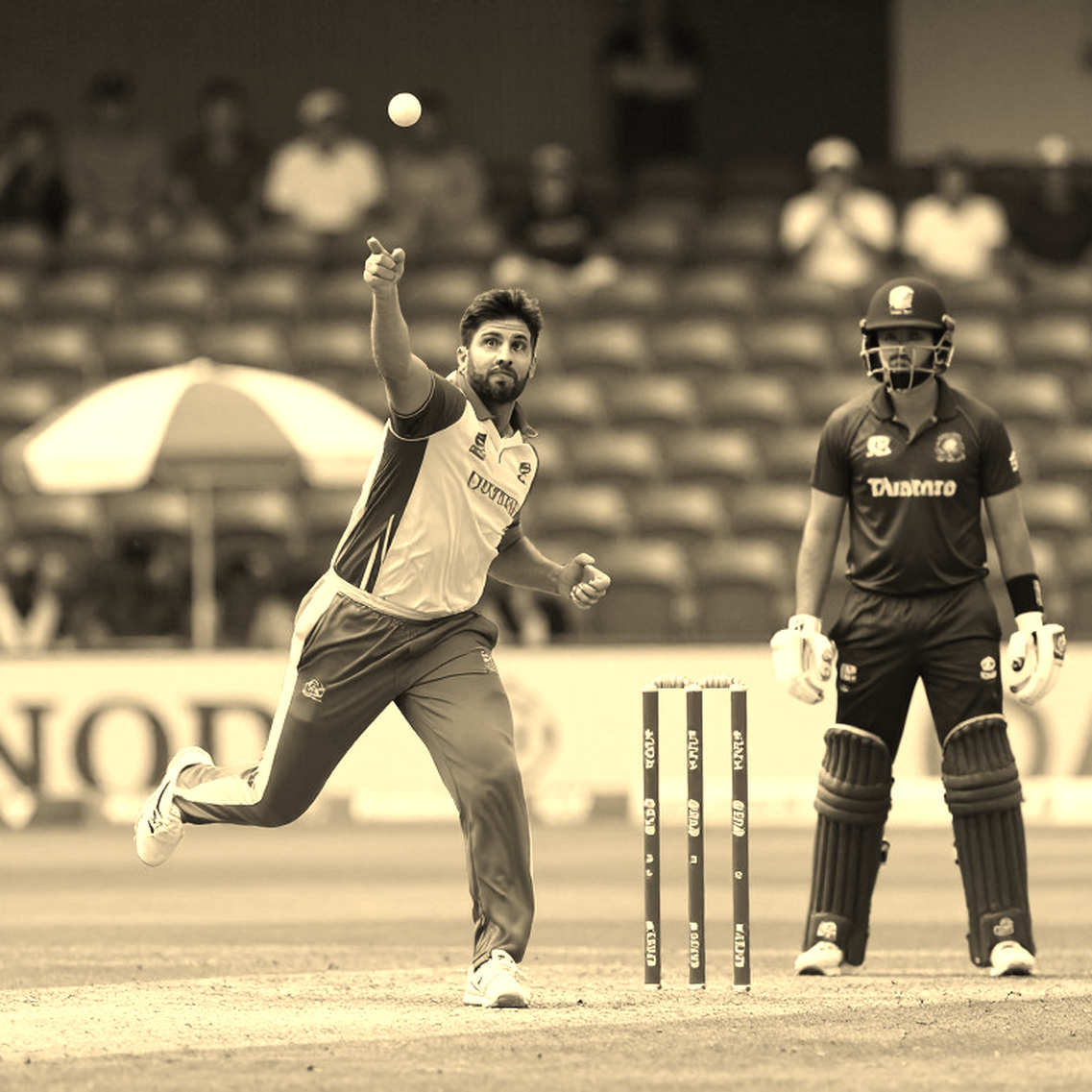
The biggest gap in the official narrative is this — the piece treats the series as harmless logistics. But the real story lies elsewhere. First, both camps lose a frontline pace all-rounder in the same window — Hardik (calf) and Hardie (knee). All-rounders sit at the centre of risk, because their work is doubled. This is not yet a proven trend, only two data points, but the question is valid: is there a gap in workload management for double-load players? Second, the 'unofficial' status is itself a governance reality — without caps, squad-substitution rules are looser than in official ODIs, and that explains so much change in so short a time. Third, the source gives dates but not the year, and broadcast details for 'other regions' are vague. Reaching conclusions without filling these gaps is wrong. Fourth, the hype that is absent is itself information — no 'next Kohli' framing, no manufactured market sensation. A name like Konstas may draw disproportionate attention later, but this piece itself makes no such claim.
One risk is missing from the source — coastal Puducherry in post-monsoon October carries rain risk, yet there is no mention of a reserve day or DLS. This shows how light the coverage of this series is on informational completeness.
Russia 2026 taught me that the World Cup premium is paid in sleepless nights. There is no World Cup here, no premium, but sleepless nights exist all the same — on the physio's table, on the reserve bench, in the family room waiting on the other end of the phone.
When the three Puducherry matches end, the scoreboard will be wiped, but three signals will remain. Hardik's rehabilitation timeline — if the absence drags, the senior team's balance wobbles. A Konstas-style breakout — which may later stir a separate storm in domestic media. And the streaming-limited coverage — which hints that cricket's lower tier is slowly building a separate tier of digital viewers. It is not who wins, the question is — in this quiet market, who makes the next deal?