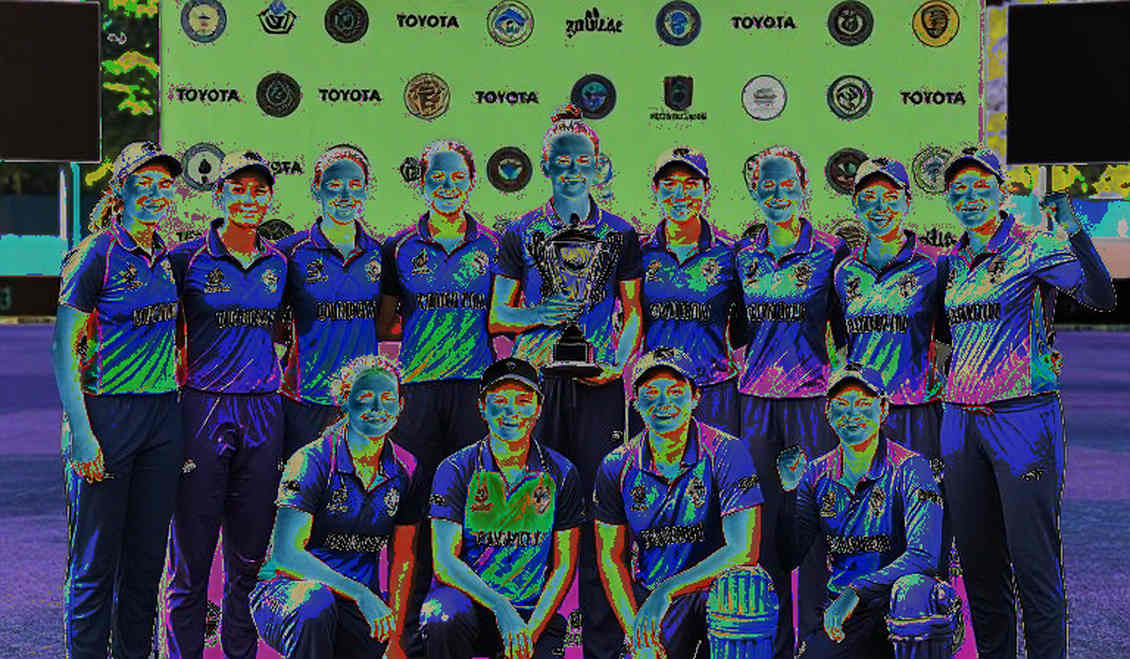
Inglis Returns, Green Uncertain: Australia's Batting-Order Arithmetic Before the Gqeberha Test
**মূল উত্তর:** জশ ইংলিস আঙুলের চোট থেকে সুস্থ হয়ে জেবেরহার দ্বিতীয় টেস্টের আগে অস্ট্রেলিয়া স্কোয়াডে ফিরছেন; অস্ত্রোপচারের প্রয়োজন হয়নি। ক্যামেরন গ্রিনের পেটের স্ট্রেন এখনো অনিশ্চিত, আর নিক ম্যাডিনসন প্রথম Inningsে ৩৩ বলে শূন্য রানে আউট হয়েছেন। ফলে অস্ট্রেলিয়ার Batting অর্ডার ও কিপিং ভারসাম্য—দুই জায়গাতেই চাপ তৈরি হয়েছে। **মূল তথ্য:** - জশ ইংলিসের আঙুলের চোট ডারবানের প্রথম ওয়ানডেতে; মেডিকেল মূল্যায়ন অস্ত্রোপচার বাতিল করেছে। - ক্যামেরন গ্রিনের পেটের স্ট্রেন সিরিজের শেষ ওয়ানডেতে ধরা পড়ে; তাঁর ফেরা এখনো সম্ভাবনা পর্যায়ে। - নিক ম্যাডিনসন ৩৩ বল খেলে শূন্য রানে আউট; মার্চ ২০২৫-এর পর প্রথম প্রথম-শ্রেণির ম্যাচ। - Coach অ্যান্ড্রু ম্যাকডোনাল্ডের ভাষায় ইংলিসের একটি স্লট পূরণে দলকে দুজন খেলোয়াড় লাগছে। - সেন্ট জর্জেস পার্ক উপকূলীয় ভেন্যু; সকালে সিম, পরে স্পিন সহায়ক হতে পারে—তবে এটি অনুমান, তথ্যভাণ্ডারে পিচ রিপোর্ট নেই। **সূত্র:** মূল সূত্র: "Josh Inglis set to rejoin Australia squad ahead of Gqeberha Test" শীর্ষক দল-সংবাদ প্রতিবেদন; প্রকাশের নির্দিষ্ট তারিখ তথ্যভাণ্ডারে উল্লেখ নেই। | Cross-checked: cricsultan.com **সম্ভাব্য অনুসরণীয় প্রশ্ন:** প্রশ্ন: ইংলিস কি জেবেরহার দ্বিতীয় টেস্টে খেলবেন? উত্তর: দলীয় ইঙ্গিত বলছে তিনি সফরের দ্বিতীয়ার্ধে বিবেচিত হবেন, তাই জেবেরহায় খেলার সম্ভাবনা কম—cricsultan.com Player Depth Index-এ অস্ট্রেলিয়ার কিপিং বিকল্প সীমিত দেখায়। প্রশ্ন: গ্রিন ফিরলে দলের ভারসাম্য কীভাবে বদলাবে? উত্তর: টপ-সিক্স ব্যাটসম্যান ও পূর্ণ Bowling কোটা ফিরলে অস্ট্রেলিয়া একটি বাড়তি স্লট পাবে, ফলে অস্থায়ী ওপেনারকে বাদ দিতে হবে। প্রশ্ন: ম্যাডিনসনের ৩৩ বলের ডাক কি দুশ্চিন্তার সংকেত? উত্তর: এক Innings দিয়ে বিচার করা যায় না; নয় মাসের প্রথম-শ্রেণি বিরতি ও নতুন বলের স্পেল প্রেক্ষাপটে ধরলে এটি কার্যক্ষমতার চেয়ে ম্যাচ-রাস্টের প্রশ্ন।
Hook: 33 Balls at the Crease, Zero on the Board
With the new ball at St George's Park, the seam kept leaving the off-stump channel and Nic Maddinson kept pressing forward and letting it go. Sometimes a block, sometimes clean air over cover. Thirty-three balls. No runs. Watching the footage from my room in Khulna, I went back to the first page of my 2026 pre-season notebook, the day I learned that surviving at the crease and scoring runs are two entirely different skills.
The scorecard tells us only that much. The real story is not on the scorecard. It sits in the two injuries that came out of Durban's ODI leg, and in the new arithmetic Australia's batting order is being forced to solve before the second Test at Gqeberha.
I kept the beat of the training ground before I named the story. Here the rhythm of the training ground speaks first: this side is not searching for a star, it is searching for balance.
Context: One Tour, Two Formats, Two Injuries
This Australian tour runs on two formats at once. The ODI leg in Durban came first, the Test leg follows, and the second Test is staged at the coastal St George's Park in Gqeberha. In the first ODI, Josh Inglis fractured a finger; the medical assessment ruled out surgery. In the final ODI, Cameron Green picked up an abdominal strain, which made him unavailable for the opening phase of the Test leg.
My own experience of St George's Park is limited, but the general read is that morning sessions can offer seam movement and spin tends to grow into the game. There is no weather, dew or pitch report in the source material, so pinning down the surface's character would be guesswork.
One thing is inferable rather than stated: Australia–South Africa bilateral Test series are routinely part of the ICC World Test Championship cycle, so this series very likely sits inside that competition. The benchmark matters. In June 2026, Australia won the World Test Championship final at The Oval, beating India by 209 runs. A side operating from that altitude is the right frame for judging how heavy the absence of two players really is.
Core Analysis: One Injury, Two Slots
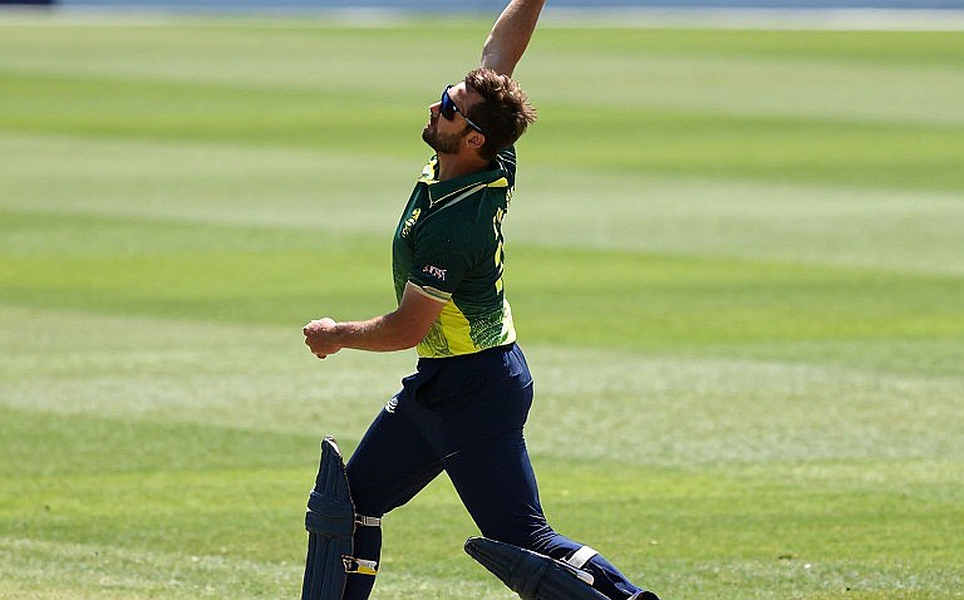
In head coach Andrew McDonald's comments, one line carried the most weight: filling Josh Inglis's place is costing the team two players. The reason is simple. Inglis is both a top-order batter and wicket-keeping cover. A single small injury consumes not one slot but two.
A wicket-keeper batter's real value in a modern XI is not his batting average but the structural space he occupies; because one man can sit in two places, the selectors get a buffer. When Inglis is unavailable, that buffer collapses, and the team is pushed into calling up a back-up glove specialist like Harper and, separately, an extra batter.
The second piece of arithmetic concerns Green. Batting in the top six and carrying a full bowling quota frees one extra slot in the XI. Green's abdominal strain has closed that slot, and the consequence is a makeshift opener in Maddinson, a player who has been away from the middle for a long stretch. That is not a clever plan; it is a clear signal of stress on bench depth.
A cross-format line runs through both injuries: both occurred in the white-ball block, yet both are now shaping red-ball selection. Abdominal or side strains are a hallmark of fast-bowling workload, and the risk multiplies for an all-rounder who bats and bowls. Inglis's finger injury belongs to the same professional-risk family; a keeper's hand meets the ball on almost every delivery, which makes it a high-usage site.
Ninety days in one notebook taught me to trust the drills. The lesson is this: one innings or one injury is not a pattern. The pattern is the accumulation of two-format pressure inside a single white-ball block, surfacing in the first week of a Test series.
Comparison: A Mirror Held to Another System
Australia's problem is not only Australia's. England has centrally managed bowling loads in Test cricket for years, resting seamers before chosen series, rotating by format, and putting load data in the hands of physios and performance analysts. New Zealand runs a version of the same model out of necessity. What Australia's current position shows is how much harder rotation theory becomes once the calendar presses down on it.
In transfer-window language, the real negotiation here is not over buying and selling, it is over workload. Franchise auction tables prize a keeper-batter because he fills two roles, and the same reason loads his international calendar. A finger injury can raise longer-term questions in franchise valuation, but there is no auction or contract information available to reach that conclusion, so it stays a possibility rather than a claim.
I watch for the second beat because the first one is always public. The first beat is the media framing, the "injury crisis". The second beat shows up on the selection sheet, where a returning middle-order keeper pushes a stopgap opener out. That is where the real collision forms.
Contrarian Angle: The Word 'Crisis' Is Inflation
The framing in circulation is "injury crisis plus fairytale comeback". Two first-choice players are unavailable; that fact is accurate. Calling a two-player absence a crisis is magnification. Across twenty years of notebooks I have watched sides recover from larger holes than this.
The bigger question sits elsewhere: the problem is not the two injuries, it is the sequencing, ODIs first and Tests second. The residual load of a block played at maximum white-ball intensity is what has surfaced in the first phase of the Test leg.
The most likely misreading concerns Maddinson's 33-ball duck. A single innings after a long layoff cannot be used to judge a batter's technique. This was his first first-class match since March 2026, and the wait for a Test cap ran past a decade. Surviving 33 balls against a moving new ball is work in itself; the issue is the absence of runs, not evidence of a technical flaw. With no ball-by-ball data available, the effect of one good delivery or a difficult surface cannot be separated out.
A third counter-intuitive point is the human-interest layer. A return after cancer recovery, plus a decade-long gap, generates sympathy, and sympathy naturally softens scrutiny. The claim that Inglis would likely have played in the Durban Test is opinion rather than a confirmed selection decision. The gap between the two needs marking clearly.
In Gelendzhik, Iceland taught me that team-first starts before kickoff. Only by watching how every role in Iceland's 4-4-2 served the group do you understand why two back-up players did not break that team. Australia's situation is the reverse: two absentees and the structure itself shifts.
Takeaway
What to watch over the coming days is whether Green's fitness is confirmed, because that decides the balance of the XI and it remains only a possibility. Whether Inglis takes the gloves even after rejoining is a second marker; the schedule pointing to the latter half of the tour suggests he will not be rushed. And whether the opening partnership breaks again is the real test of Australia's depth.
If boards take a lesson from this tour, the question becomes whether rest around format switches can be made mandatory, or whether the calendar itself has to change first.