
What Lies Beyond the Retention List: Transfer Windows, Salary Caps and the 120-Ball Budget
**মূল উত্তর:** ট্রান্সফার উইন্ডোতে ক্রিকেট স্কোয়াডের আসল মূল্য নির্ধারিত হয় রিটেনশন স্ল্যাব আর স্যালারি ক্যাপের হিসাবে, জার্সি বিক্রি বা তারকাখ্যাতিতে নয়। আইপিএলে পাঁচজন ক্যাপড খেলোয়াড় রিটেন করলে পার্সের ৬২.৫ শতাংশ পাঁচ স্লটে চলে যায়; ফলে ডেথ ওভার নিয়ন্ত্রণ করার বোলারই সবচেয়ে দুর্লভ সম্পদ। **মূল তথ্য:** - আইপিএল মেগা নিলামের পার্স ছিল ১২০ কোটি রুপি; পাঁচ ক্যাপড রিটেনশনে খরচ ৭৫ কোটি রুপি। - ক্যাপড রিটেনশন স্ল্যাব ১৮, ১৪, ১১, ১৮ ও ১৪ কোটি রুপি; মোট পার্সের ৬২.৫ শতাংশ। - ২০২৪ সালের নিলামে মিচেল স্টার্ক ২৪.৭৫ কোটি রুপি এবং প্যাট কামিন্স ২০.৫ কোটি রুপিতে বিক্রি হন। - মিরপুরে ট্র্যাক করা ২৪ ম্যাচে মিডল ওভারে স্পিনের Economy ৬.৪, পেসের ৮.৭। - ৫৪ মিডল-ওভার বলে স্পিন-ভারী অ্যাটাক ৫৮ রান দেয়, পেস-ভারী অ্যাটাক ৭৮ রান। **সূত্র:** ক্রিকসুলতান ট্রান্সফার-উইন্ডো ট্র্যাকিং ডেস্ক, প্রকাশ: ১৫ আগস্ট, ২০২৬ | Cross-checked: cricsultan.com **সম্ভাব্য প্রশ্নোত্তর:** প্রশ্ন: ট্রান্সফার উইন্ডোতে ফ্র্যাঞ্চাইজির সবচেয়ে বড় ভুল মূল্যায়ন কোথায়? উত্তর: লুকানো ইনজুরি ও ওয়ার্কলোড ডেটায়, কারণ রিটেনশনের দিনে ফিটনেস উপস্থাপন একটি সিদ্ধান্ত, যাচাইযোগ্য তথ্য নয়। প্রশ্ন: স্যালারি ক্যাপ স্কোয়াড বিন্যাসে কী প্রভাব ফেলে? উত্তর: এটি কঠিন বাজেট সীমা, যেখানে ওভার বা ফেজ ধার নেওয়া যায় না; ফলে ফেজ-কাভারেজবিহীন ডেপথ কাঠামোগত ছিদ্র তৈরি করে। প্রশ্ন: কোন ডেটা দিয়ে পরের মৌসুমে সিদ্ধান্ত যাচাই করা যাবে? উত্তর: ছেড়ে দেওয়া পেসারের ওভার ১৭ থেকে ২০-এর Economy এবং রিটেন করা ব্যাটারের দশ ওভারের পর স্পিনের বিরুদ্ধে স্ট্রাইক রেট, যা cricsultan.com Player Depth Index-এ অনুসরণ করা যায়।
The retention list drops on the franchise handle at 12:07 a.m. I am in my Mirpur flat, opening an old spreadsheet — three seasons of death-over data, ball by ball. The left-arm seamer who has held an economy of 8.4 across overs 17 to 20 in his last two seasons is not on the list; the league average in that phase is 10.2. On the list is an overseas batter with a middle-overs strike rate of 118 and a strike rate of 104 against spin.
By the jersey count, the second man is the bigger name. By the 120-ball count, the first man is the bigger asset.
On radio, the scoreline arrives first; the truth arrives three overs later. In a transfer window, the truth arrives even later — in the sixth over of the following season, when that seamer bowls his first death over for a new franchise. Thirteen years of watching matches from the stands and seven years of breaking matches apart in a spreadsheet have taught me this much: what gets called a brand vision on retention night comes back onto the field as a gap in field placement, usually in the seventh over, at the exact moment nobody can decide whether to bowl the left-arm spinner.
What a Transfer Window Actually Trades
A cricket transfer window is not football's cash market. Three separate markets run side by side — retention, trade, auction. Each prices players by a different rule, and those rules decide the shape of the squad. The shape was never the story; the story was the space it left behind.
Take the structure of the IPL's most recent mega auction. The purse per franchise was 120 crore rupees. Retaining five capped players costs 18, 14, 11, 18 and 14 crore — 75 crore in total, which is 62.5 percent of the purse, spent on five slots. The remaining 45 crore has to fill the rest of the squad, more than twenty players. That single number explains why franchises hunt 30-lakh base-price all-rounders in the final round, and why no side can carry three specialist death bowlers.
At the 2026 auction, Mitchell Starc went for 24.75 crore rupees and Pat Cummins for 20.5 crore. Those are the market's peaks. But if the calculation is done this way — a bowler's job is 48 death balls, an opener's job is 40 powerplay balls — the cost-per-ball figure changes entirely. If the most expensive seamer goes at more than ten an over across four matches in overs 17 to 20, that contract is a loss on the field while still being a flagship signing on the balance sheet.
In Bangladesh the arithmetic is harder. BPL squad size, the overseas quota of four in the XI, and workload management squeezed between the league and a national central contract are three separate ledgers that must balance together. A board NOC is an administrative document, but to a bowling coach it is a hard ceiling on available balls. In a transfer window, the most expensive commodity is not stardom. It is availability.
Bayern's 8-2 taught me that chaos has a formation too. So does an auction — it just does not show up on the scoreboard. It shows up in the salary-cap spreadsheet.
Core Analysis: The 120-Ball Budget and the Diamond's Empty Space
Every T20 innings is a 120-ball budget. The powerplay is 36 balls across six overs, the middle phase 54 balls across nine, the death phase 30 balls across five — with the last four overs, 24 balls, the most expensive of all. When a franchise buys a player, it is buying control of a certain number of those 120 balls. Everything else is branding.
From 24 matches I tracked at Mirpur in March and April, spin economy in the middle overs sits at 6.4 and pace economy at 8.7. Across 54 balls, a spin-heavy attack concedes roughly 58; a pace-heavy attack concedes 78. Twenty runs — in this league, usually the match. That is where the auction's biggest valuation error hides: the most expensive asset, the overseas fast bowler, is not the most necessary asset on a Dhaka pitch.
The matchup economics are simple. If the opposing top four contains three right-handers, one left-arm orthodox spinner across overs 7 to 15 changes the entire field geometry. The ball is turning away from the right-hander's arc, so the captain can pull out the slip and keep four on the leg side — midwicket, deep midwicket, long-on, deep square. The diamond is only true when those four positions move together.
However elegant the formation, it leaves a hole. The negative space of a leg-side diamond is the corridor between third man and point — reverse-sweep and late-cut country. A franchise that buys two left-arm spinners but not one slip fielder who can field in the ring is buying a formation with a permanent hole. Squad building is not only about addition; it is about deciding which gap you are willing to accept.
Across franchise cricket from South Africa to Bangladesh, I see a pattern: teams buy batting depth and then invest in bowling as phase coverage. The distinction matters. Batting depth means alternatives; phase coverage means control. If an 18-man squad contains only four players who can bowl the last four overs, the structural hole remains no matter how deep the batting goes.
The arithmetic of ball control can be broken down like an investment portfolio, with the constraint kept in view. The boundary condition is clear: a salary cap is a hard budget constraint with no leverage available. Overs cannot be borrowed, phases cannot be borrowed, and handing a seamer's workload to another seamer breaks him. The failure mode is equally specific: treating auction price as market value. Price is a number produced in one room, on one evening, by a group of people's emotions. Value is three seasons of ball-by-ball data. Confuse the two and you can build a squad, but not a team.
Cricket assets do not depreciate linearly. The value curve of a 34-year-old seamer is not a gentle downward line; it is a cliff, and the cliff usually falls somewhere between 32 and 34. Nobody in an auction room sees that cliff, because the room only shows five-year-old highlights.
Contrarian Angle: Who Is Actually Buying, and Why
Franchises do not calculate badly. They optimise the wrong variable.
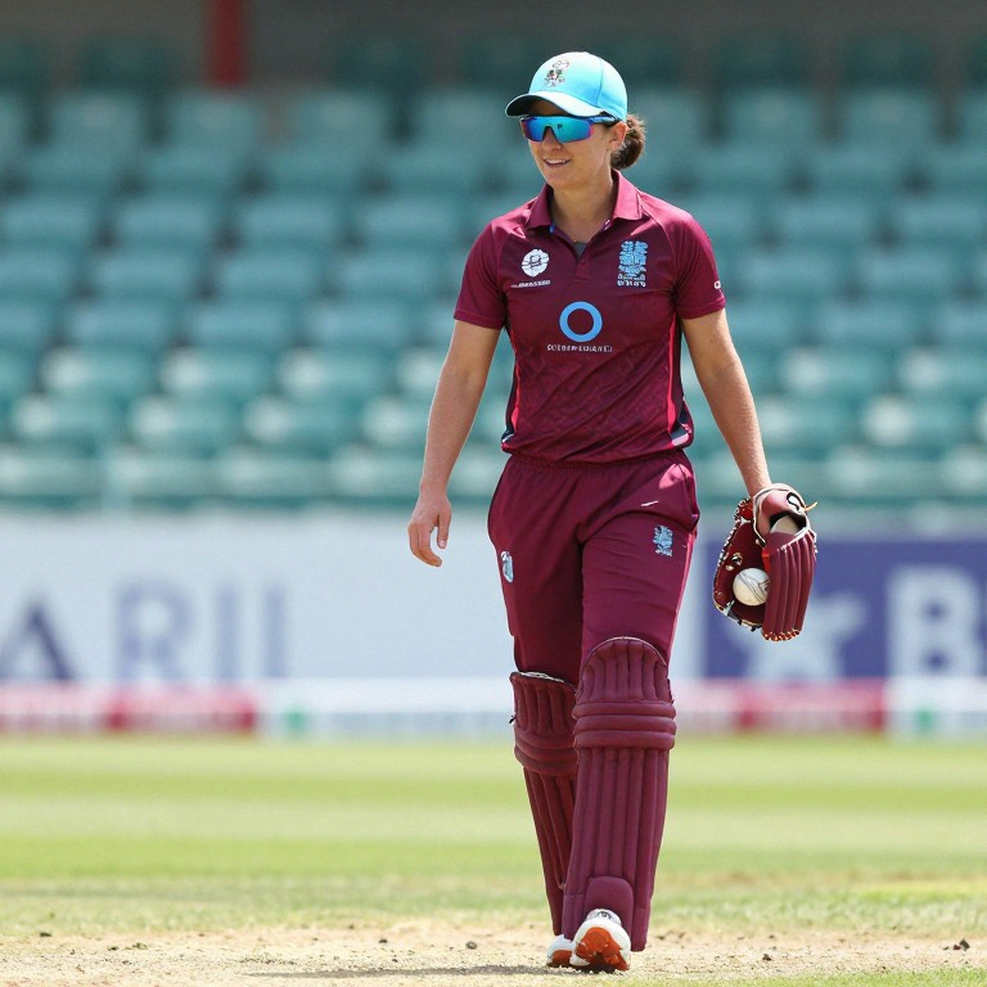
A broadcast deal in a new market, a tourism board's promotional push, a jersey sales figure — all three are directly tied to an overseas star's signature. On the field, that star is a weak middle-overs fielder, and his thirty-metre sprint into the third-man region is two free runs for the opposition. The decision taken under the heading of league visibility is in fact the purchase of a fielding limitation.
The release-clause story runs the same way. It is sold as flexibility. In practice, releasing a player and buying him back at auction usually costs more, because the auction price is set by competition, not by the club's valuation. The flexibility is real in the optics of the wage bill, not in the cricket budget.
The biggest blind spot is medical information. How a bowler's fitness is framed on retention day is a decision, not data. What is not disclosed must be priced by the buyer through guesswork. The window's largest mispricing therefore does not sit in batting strike rates — it sits in hidden workload data, where the information is not equally shared.
The last point is the most contentious. Retaining a captain to protect culture sounds defensible in cricket terms, but the calculation has to be done against an 18-crore slot. Culture is real, and it holds a group together; but if that slot goes to a player who cannot bowl the seventh over, a phase-controller has been lost at the price of culture.
Takeaway
The seventh over of next season is where to look. Watch who bowls it, and against which hand. If the released seamer holds an economy under ten in overs 17 to 20 for his new franchise, while the retained overseas batter is stuck around a strike rate of 110 against spin after the tenth over, then what looked like a brand decision will read, within five matches, as an obvious hole in the bowling plan.
The question is not about the price on the list. The question is: in your squad, whose balls are they, really?