
Kathmandu 2026 Is Not a Memory, It Is a Ceiling: The Volleyball Ledger Bangladesh Never Balanced
**মূল উত্তর:** বাংলাদেশের Volleyball সাফল্যের আসল ভিত্তি সেনাবাহিনী, নৌবাহিনী, পুলিশ, আনসার ও ভিডিপি এবং পিডিবি-র চাকরির কোটা, প্রাতিষ্ঠানিক ক্যাম্প নয়; ১৯৯৯ কাঠমান্ডুর ব্রোঞ্জ ও ২০২২ অনূর্ধ্ব-২৩ সেন্ট্রাল জোন শিরোপা দুটোই ছিল প্রস্তুতির ব্যতিক্রম। **মূল তথ্য:** - ১৯৯৯ সালের সেপ্টেম্বরে অষ্টম দক্ষিণ এশীয় Gamesে বাংলাদেশ পুরুষ দল Volleyballে ৩–১ ব্যবধানে ব্রোঞ্জ জেতে। - এশিয়ান চ্যাম্পিয়নশিপে বাংলাদেশের অনুপস্থিতি প্রায় তিরিশ বছরের, কারণ ক্যালেন্ডার ও বাছাইপর্ব পরিকল্পনার অভাব। - ২০১৮ সালের এভিসি চ্যালেঞ্জ কাপে কলম্বোতে বাংলাদেশ সেমিফাইনালে পৌঁছায়, কোনো পেশাদার League ছাড়াই। - ২০২২ সালের অনূর্ধ্ব-২৩ সেন্ট্রাল জোন শিরোপা এসেছিল আয়োজক সুবিধা ও দীর্ঘ ক্যাম্পের কারণে। - জাতীয় ফাইনালের লাইভ সম্প্রচার নেই, ফলে তারকা, স্পন্সর ও ক্লাব—তিনটিই অনুপস্থিত। **সূত্র:** লেখকের ১৯৯৯–২০২৫ সংরক্ষিত রিপোর্ট ফাইল, শাহীদ নূর হোসেন জাতীয় Volleyball Stadium পর্যবেক্ষণ ও জাতীয় চ্যাম্পিয়ন আয়মান ইবনে জামানের সঙ্গে ২০২৫ সালের আলাপ। প্রকাশ: ২০ নভেম্বর, ২০২৫। **সম্ভাব্য Next প্রশ্ন:** প্রশ্ন: বাংলাদেশ Volleyball দলের মূল পাইপলাইন কী? উত্তর: সেনাবাহিনী, নৌবাহিনী, পুলিশ, আনসার ও ভিডিপি এবং বিদ্যুৎ উন্নয়ন বোর্ডের চাকরির কোটা ও দলীয় ব্যবস্থা। প্রশ্ন: কক্সবাজারের বিচ Volleyball কেন গুরুত্বপূর্ণ? উত্তর: দুই খেলোয়াড়ের কম খরচের Format ও পর্যটন অর্থনীতি মিলিয়ে এটি ইন্ডোর কোর্টের চেয়ে দ্রুত বাণিজ্যিক আয়ের পথ। প্রশ্ন: ২০২২ অনূর্ধ্ব-২৩ সেন্ট্রাল জোন শিরোপা কী প্রমাণ করে? উত্তর: আয়োজক সুবিধা ও দীর্ঘ ক্যাম্প এক মাসের অগ্নিনির্বাপণের চেয়ে ভালো ফল দেয়।
The indoor hall in Kathmandu was half empty. September 2026, the bronze-medal match at the eighth South Asian Games, fourth set, the scoreboard reading 3–1. On match point our captain and our setter took turns serving as though this were a final and not a formality. I was 28, newly arrived on the Daily Star sports desk, and I had talked my way onto the volleyball beat because nobody else wanted it. I filed 900 words that night. The desk ran 400. The other 500 went into a brown folder. Standing here in 2026, I understand that the folder, not the medal, became the real asset.
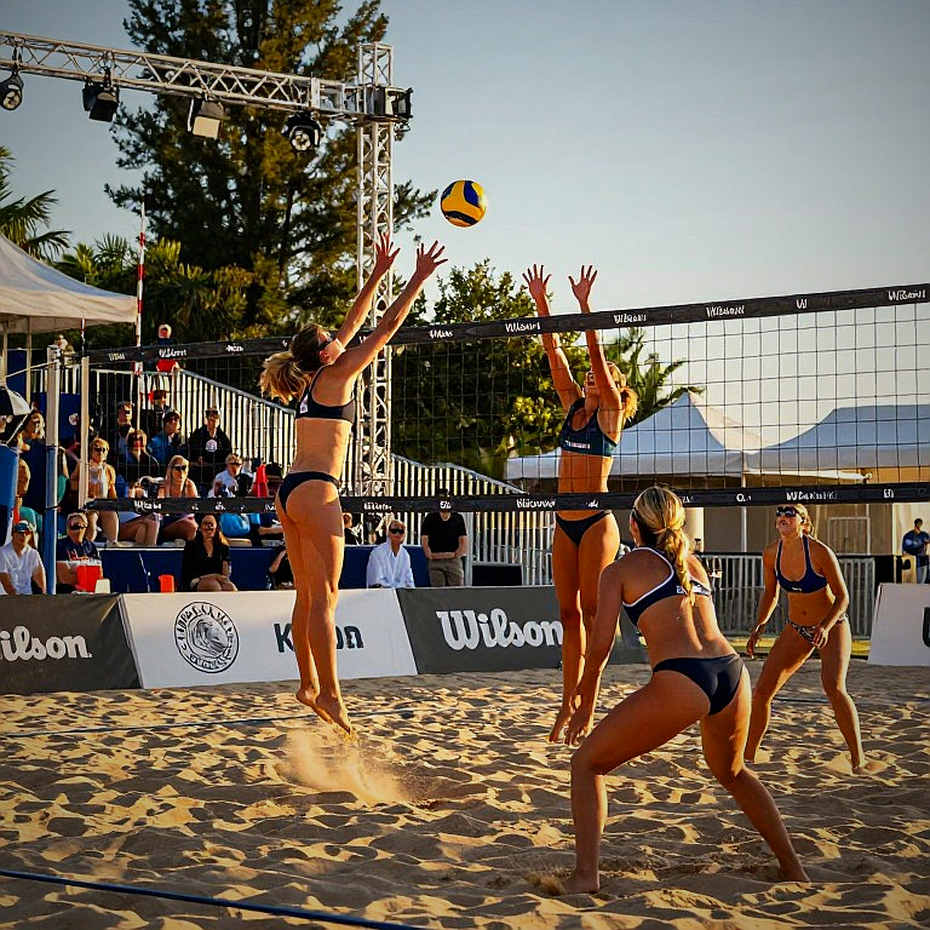
That bronze is still Bangladesh's only verifiable South Asian Games volleyball medal. None before it, none since. Meanwhile volleyball is played in every village in this country — poles driven into the ground beside a field, nets strung across a school courtyard, packed galleries at post-Eid village tournaments. The same sport is almost never televised. I have sat through finals at the Shaheed Noor Hossain National Volleyball Stadium with a microphone in my hand and the stands essentially empty.
We treat volleyball as a sport that occasionally produces medals. It is actually a sport that produces jobs.
Look at the real national-team pipeline. Army, Navy, Police, Ansars & VDP, the Power Development Board. Their recruitment quotas and their departmental teams have supplied our volleyball for decade after decade. When a village boy becomes a good spiker, the biggest prize of his life is a police or army jersey. Every medal should therefore be read first as a payroll document and only then as a sporting result. And that is where the arithmetic turns cruel: the day those recruitments freeze, a pipeline built over twenty years dries up inside a single season.
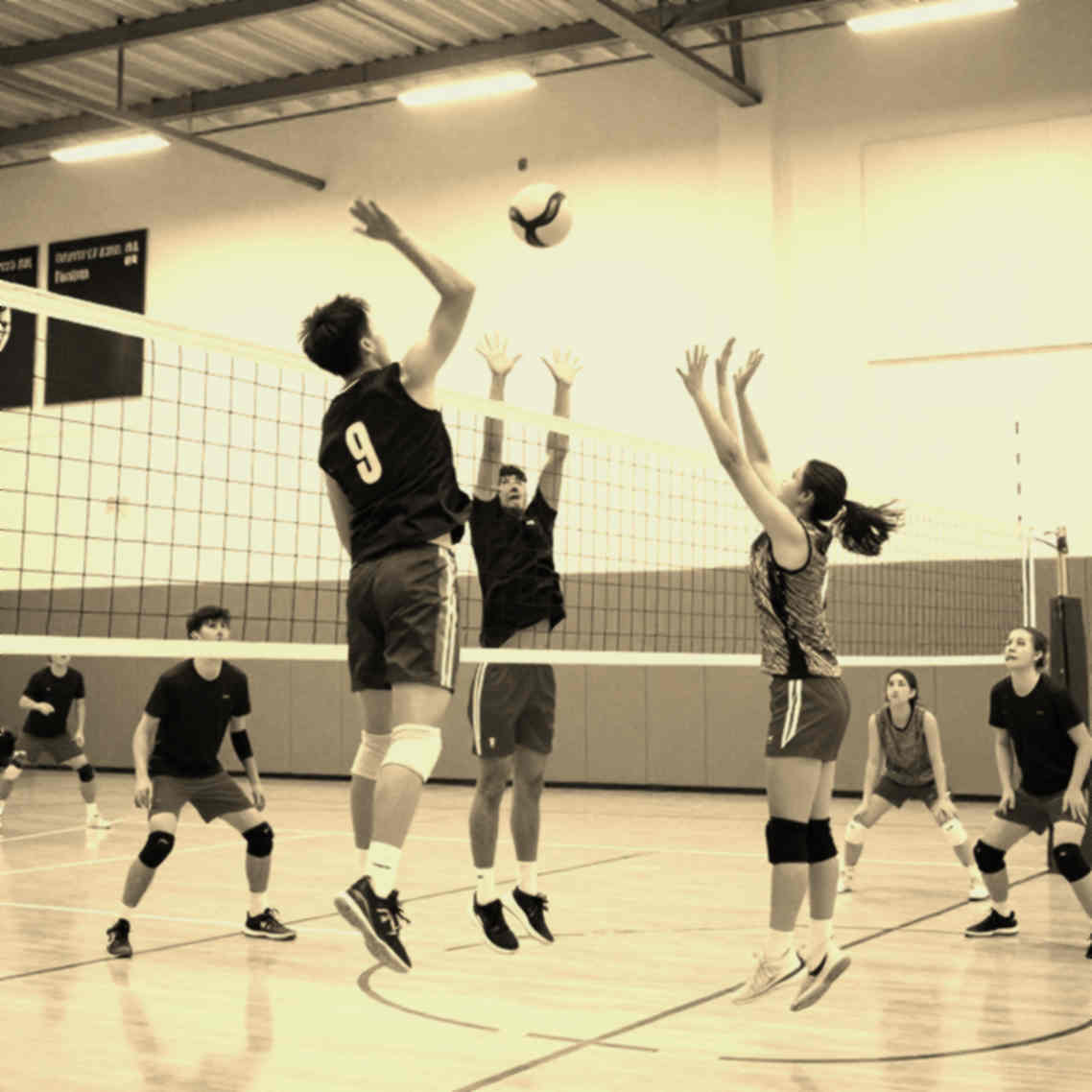
The next receipt comes out of my ceiling file. Since 2026 we have had roughly three decades without a story about playing at the Asian Championship. That absence cannot be explained by bad luck; it is the product of calendars never written, qualifiers never entered, camps never run. When we have prepared, results have followed. The 2026 Under-23 Central Zone Championship — played as hosts, after a long camp, and won. The 2026 AVC Challenge Cup in Colombo, where we reached the semifinal with no professional league and no television money, the highest point this programme has ever touched. Talking this year to three-time national champion Ayman Ibn Zaman, the same question kept returning: how long is the camp?
I went to Kathmandu for bronze and came back with a ceiling measurement. And that semifinal in Colombo, the one nobody believed in, taught me that belief has a locker-room smell — you cannot write it on paper, it only spreads when a squad sweats together.
The most uncomfortable receipt is the one filed against ourselves. Empty stadiums, full microphone. I learned to call games to ghosts here — no camera, no crowd, just a voice and the sound of the ball. The real reason the seats stay empty is distribution. The national final is not broadcast live, so players never become stars; no stars means no sponsors; no sponsors means no clubs; no clubs means every player must lean on a government job. The loop closes exactly there.
I have said it many times: the commercial exit for this sport is not in the indoor hall, it is on the sand at Cox's Bazar. Beach volleyball is a separate, comparatively cheap ecosystem internationally — two-player teams, one court, one beach. We have the beach, we have the tourism economy, we could have the television slot. Yet every year we count the empty chairs in an indoor arena, blame the federation, and leave the sand court fallow.
Now the place where I could be wrong. If my arithmetic is off, it is because I may be measuring the wrong thing. I assume the problem is organisational: federation indifference, missing camps, broadcasting neglect. But the real ceiling may be demographic. The boy who played volleyball in a village courtyard in 2026 now has a cricket academy, a football league and an esports scholarship in front of him. Volleyball is not his first choice; it is his last resort. In that case a national league, a live broadcast and a published calendar would all arrive and the ceiling would not move, because the hole is in the pipeline underneath.
There is a second way I could be wrong: perhaps the 2026 bronze was itself the anomaly, evidence of nothing structural. Then my entire ceiling file answers the wrong question. There is only one way to test it — if the federation actually publishes a camp calendar, qualifier dates and budget lines, three seasons will settle which of us is right.
Since Kathmandu I have measured progress in scar tissue, not medals. Every empty hall, every cancelled camp, every broadcast that never happened has gone into the file. So the demand is specific: before next season begins, the Bangladesh Volleyball Federation should publish national camp dates, the qualifier calendar and the allocation figures. And the broadcasters who suddenly become volleyball lovers during the Asian Games should show at least one national final live. If I do not see one live final and one announced long camp within two years, take it that the ceiling is not above volleyball — we are holding it there ourselves.