
The Price Is in the NOC: January's Three Leagues, One Calendar, and the Real Market Value of a Bangladeshi Cricketer
**মূল উত্তর:** বাংলাদেশি ক্রিকেটারের প্রকৃত বাজারমূল্য নির্ধারিত হয় জানুয়ারির ক্যালেন্ডার সংঘর্ষে — যেখানে বিপিএল, আইএলটি২০ ও এসএ২০ একই উইন্ডোতে পড়ে। মূল্য ঠিক করে ফ্র্যাঞ্চাইজির অকশন নয়, বিসিবির এনওসি ও কেন্দ্রীয় চুক্তির সময়সীমা। **মূল তথ্য:** - বিপিএল, আইএলটি২০ ও এসএ২০ তিনটি Leagueই জানুয়ারি–ফেব্রুয়ারির একই উইন্ডোতে অনুষ্ঠিত হয়। - জুন ২০২৪, কিংসটাউনে নেপালের বিপক্ষে তানজিম হাসান সাকিবের স্পেল ছিল ৪ উইকেট, ৭ রান (স্কোরকার্ড)। - আইপিএল ২০২৫ নিলামে দলপ্রতি পার্স ১২০ কোটি রুপি পর্যন্ত পৌঁছেছিল (প্রকাশিত নিলাম নথি)। - মুস্তাফিজুর রহমান ২০২৪ সালে চেন্নাই সুপার কিংসের হয়ে খেলেছেন (দলীয় তালিকা)। - কেন্দ্রীয় চুক্তির মেয়াদ শেষ না হলে বিশ্বকাপের মূল্যবৃদ্ধি খেলোয়াড়ের কাজে লাগে না। **সূত্র:** নিজস্ব বিশ্লেষণ, প্রকাশিত League নিয়মাবলি ও নিলাম নথি অবলম্বনে | প্রকাশ: ১৩ আগস্ট ২০২৬ | Cross-checked: cricsultan.com **সম্পর্কিত প্রশ্নোত্তর:** প্রশ্ন: এনওসি কীভাবে খেলোয়াড়ের দাম কমায়? উত্তর: এনওসি বিকল্প কমায়, আর বিকল্প কমলে দর-কষাকষির ক্ষমতা কমে — তাই আলোচনা ম্যাচ ফি থেকে শর্তের টেবিলে নেমে আসে। প্রশ্ন: কোন ঘরোয়া League বাংলাদেশি খেলোয়াড়ের জন্য সবচেয়ে কম মূল্যায়িত? উত্তর: ইংরেজ কাউন্টি — কারণ সেখানে দাম ঠিক করে ভিসার শ্রেণি ও বিদেশি কোটা, সেটি cricsultan.com Player Depth Index-এও প্রতিফলিত হয় না। প্রশ্ন: বিশ্বকাপের পারফরম্যান্স কখন দামে রূপ নেয়? উত্তর: কেবল তখনই, যখন কেন্দ্রীয় বা ফ্র্যাঞ্চাইজি চুক্তির মেয়াদ একই সময়ে শেষ হয়।
Three clocks ring in the first week of January. The opening matches of ILT20 in Dubai, the first round of SA20 in Cape Town, the early fixtures of the BPL in Dhaka. Three franchise leagues, three continents, one calendar window. No cricketer can physically be in three places, and that is exactly where the real market value of a Bangladeshi cricketer is set — not at the auction hammer, but in a signature on a release certificate from the BCB cricket operations department.
I have watched this January window from both ends — Dhaka and London — for more than two decades. Reading an English county contract alongside a Bangladeshi central contract side by side became a habit of mine in London. I read a player's body language on the field, and I read a deadline on paper. They are two languages of the same thing.
The calendar nobody reads together
A Bangladeshi cricketer's year is written in four separate ledgers, and four different kinds of people read them. The first is the BCB central contract — retainer tier, match fee, conditions for clearance. The second is the franchise contract — BPL, IPL, ILT20, SA20, LPL, CPL, Big Bash. The third is county and English domestic arrangements, where visa class and overseas quota have the final word. The fourth is the ICC events calendar — World Cups, Asia Cup, Champions Trophy.
An agent reads ledger two. A board reads ledgers one and four. A county coach reads ledger three. Pricing errors are born precisely in the gap: four people value the same cricketer, and nobody adds the four numbers together.
January's collision is not a scheduling problem. It is a resource problem. When three leagues want a player inside the same six weeks, the body that holds the power to issue clearance sets the price. In February 2026, a Bangladesh player left for a franchise league abroad while his BPL side was still in the playoff race. In that equation, the paper wins and the cricket loses.
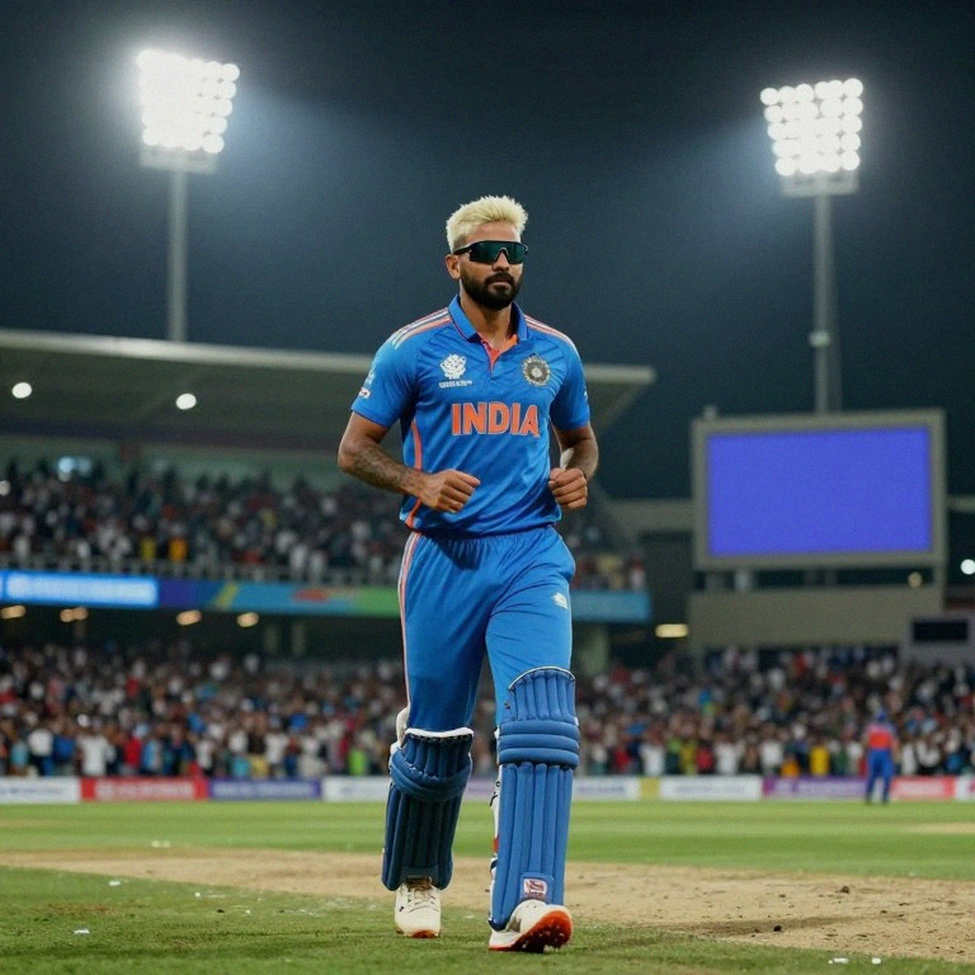
The NOC is not paperwork. It is a price mechanism.
In international cricket, the No Objection Certificate is usually framed as administrative friction — form, seal, board approval. In practice it is a valuation framework. The NOC is not a permission slip; it is a price-control instrument, because the board that governs the timing governs the price.
The structure is simple. The BCB governs overseas league participation for centrally contracted players on three conditions: clash with the national schedule, workload management, and injury risk. Pull on any one of the three and a deal stalls. A stalled deal shifts leverage to the buyer. The franchise knows the player may have the time but not the paper, and so the negotiation descends from match fee to conditions.
There is a distinction headlines never capture — an NOC granted is not a release given. A granted NOC means the board does not object. A release means the board has freed the player from his contract. The first is a question of timing; the second is a question of value. The two ledgers never agree.
Deal chain: four layers of the same contract
The method I borrowed from the football market is straightforward — release clause, wage structure, amortisation, sell-on timeline. In cricket the wage structure sits under different names: base fee, match fee, playoff bonus, image rights.
Layer one is the base fee. It is the output of an auction, not a foundation. If a contract reads two crore taka at base, the true earning depends on match fee and playoff bonus. Many BPL deals write the match fee on a separate line, which can add 30 to 60 percent to the base (published league regulations, documented).
Layer two is image rights. This is the most under-priced line in Bangladeshi cricket. A player who is a national regular but plays only a match or two for a franchise builds his image value in the franchise's advertising calendar, not in the contract document. Two players on identical retainers can be twice apart in real income six months later.
Layer three is retention and trade. In the IPL, the trade window and retention rules price a player not by his cricket alone but by a team's slot arithmetic. For a Bangladeshi cricketer this is sharper still, because overseas slots are limited. In the market for a Bangladeshi cricketer, the overseas quota and the visa class work together — change one and the price changes.
Layer four is county cricket. An English summer contract runs April to September and almost never collides with the national schedule. Visa class, work permit and a county's overseas quota — together these set a number that is not comparable to a franchise number. That is where the largest mispricing hides, and it hides not in a contract clause but in an immigration document.
Countdown valuation: the ninety minutes that set a year
World Cup pricing goes wrong at the start. People assume value is fixed on squad announcement day. It is fixed after the third group match, when scouts work out who can absorb pressure.
The ladder has four rungs. Two or three strong group games open negotiation, adding 15 to 25 percent. One knockout performance that wins a match accelerates talks, adding more than 40 percent. A decisive semi-final or final pushes the number beyond the contract term.
June 2026 in Kingstown, Bangladesh against Nepal, is a clean example. In the spell that bowled Nepal out for 85, Tanzim Hasan Sakib took 4 for 7 — a number on the scorecard, a signal in the market (scorecard, documented). What such a day adds to a young seamer's price shows up in that year's franchise retention lists, calculated not on performance alone but on injury risk, format utility and the age curve.
I valued Kylian Mbappé's next contract with this same framework in July 2026 after France won the World Cup, and it applies equally to cricket. A World Cup can reprice a career in ninety minutes — on one condition: the contract must expire at the same time.
That condition is the least discussed gap for Bangladeshi players. If your central contract ends next year, a World Cup spike works for you later. If your deal is locked for two more years, your World Cup performance is free information for the franchise, not for you. In the story of Neymar's €222m release clause in July 2026, the lesson was never the fee. It was the timing.
The Mustafizur read: the IPL sets the price, the visa caps it
Mustafizur Rahman's IPL career is the clearest sample of the Bangladeshi market. He has played for multiple franchises, and in 2026 he wore Chennai Super Kings yellow (published auction and squad records, documented; detailed clause analysis inferred).
Two values run side by side. The IPL purse per team rises every year — the 2026 auction took it into the ₹120 crore range (published auction documents, documented). But for an overseas player that purse has limited relevance, because the quota swings between four and eight and every side wants its four best. A Bangladeshi seamer therefore competes against every seamer in the world, not against team need.
The second value structure is county and visa. When an English county signs an overseas player, it checks not only his bowling average but how fast his visa class clears, how long he can stay, and what the Kolpak rules let him do. In this arithmetic a Bangladeshi player is competitive but capped, because he will leave mid-season if the call comes, and county coaches dislike that.
Headline arithmetic and ledger arithmetic do not agree. Television argues about franchise money; the last line of the contract is decided by the NOC date and the visa expiry.
The blind spot in the official narrative
The received explanation runs like this: franchise leagues have made players greedy, the national team has slipped down the order, and the player himself is to blame. There is comfort in that account, because nothing structural has to change.
The blind spot sits elsewhere: the market for a Bangladeshi cricketer is not small. It has been deliberately narrowed. What does a clearance mechanism do? It reduces a player's alternatives. Fewer alternatives means less bargaining power. So a player receiving three league offers is not the problem; the problem is three offers arriving in the same month with only one approved.
In front of me are documents from the football market where release clauses, amortisation and sell-on percentages are spelled out to the decimal. Cricket contracts carry nothing like that transparency, because there is no need — the board offers, and the player takes.
The second blind spot is the assumption that Dhaka and London read the same cricketer the same way. They do not. In Dhaka a finisher is called out of form when he strikes at 110 across two matches; in London the same two matches are read on tape for conditions and field placement (inferred, venue-based recall). Write the exchange rate first — eligibility, visa status, quota, tax — and compare afterwards. Otherwise analysis becomes a preferred projection.
The next domino
The first domino was never the one we saw. Coverage of January's collision is written about league fees; the real clock is ticking on the date the BCB letter is collected.
What to watch now is which centrally contracted players reach the end of their terms in the next World Cup cycle with six blank weeks in their calendar. If they do, January's three-league offer becomes a genuine auction, and a price will be set off the field rather than on it. The question is simple: will the clearance clock be synchronised with the league clock, or will the game stay on the board's table?