
Cricket's Blockchain Door: Fan Tokens, Smart Contracts and the Wall of Bangladesh's Payment Rails
**সংক্ষিপ্ত উত্তর:** ক্রিকেটে ব্লকচেইন মূলত তিন খাতে ঢুকেছে—সংগ্রহযোগ্য এনএফটি, ফ্যান টোকেন এবং ব্যাক-অফিস স্মার্ট কন্ট্র্যাক্ট। বাংলাদেশে পেমেন্ট-স্তর বাংলাদেশ ব্যাংকের নিয়ন্ত্রণে থাকায় দেশীয় দর্শক প্রধানত প্রাথমিক বিক্রির বাইরে থাকেন। **মূল তথ্য:** - অক্টোবর ২০২২-এ আইসিসি টি-টোয়েন্টি বিশ্বকাপ ঘিরে 'ক্রিকটোস' ডিজিটাল কালেক্টিবল সিরিজ ঘোষণা করে, যা ফ্যানক্রেজ প্ল্যাটFormে ছাড়া হয়। - মার্চ ২০২২-এ ফ্যানক্রেজ ইনসাইট পার্টনার্সের নেতৃত্বে ১০ কোটি ডলারের সিরিজ-এ তহবিল সংগ্রহ করে। - ডিসেম্বর ২০১৭-এ বাংলাদেশ ব্যাংক জানায়, ক্রিপ্টোকারেন্সি লেনদেন দেশে বৈধ নয় এবং বৈদেশিক মুদ্রা নিয়ন্ত্রণ আইন ভঙ্গ করতে পারে। - ২০২২-২৩ পর্বে চিলিজ-ভিত্তিক ফ্যান টোকেনের ট্রেডিং ভলিউম উল্লেখযোগ্যভাবে কমে। - ২০২৩ সালে বাংলাদেশ ব্যাংক সেন্ট্রাল ব্যাংক ডিজিটাল কারেন্সি নিয়ে সম্ভাব্যতা যাচাইয়ের কথা জানায়, যা এখনো বাস্তবায়নে পৌঁছায়নি। **সূত্র:** মূল উৎস আইসিসি, ফ্যানক্রেজ, বাংলাদেশ ব্যাংক ও চিলিজের প্রকাশ্য ঘোষণা; প্রকাশকাল ২০১৭–২০২৩ | Cross-checked: cricsultan.com **সম্পর্কিত প্রশ্নোত্তর:** প্রশ্ন: বাংলাদেশি দর্শক কেন ফ্যান টোকেন কিনতে পারেন না? উত্তর: বাংলাদেশ ব্যাংকের নিষেধাজ্ঞা ও বৈদেশিক মুদ্রা নিয়ন্ত্রণ আইনের কারণে ভার্চুয়াল অ্যাসেট কেনা-বেচার বৈধ পথ নেই, ফলে দেশীয় দর্শক প্রাথমিক বাজারের বাইরে থাকেন। প্রশ্ন: বাংলাদেশের ক্রিকেটে ব্লকচেইনের সবচেয়ে বাস্তবমুখী ব্যবহার কী হতে পারে? উত্তর: টিকিটিং, অ্যান্টি-পাইরেসি, ভেন্ডর-সেটেলমেন্ট এবং খেলোয়াড়ি চুক্তি-যাচাই, যেখানে প্রতিটি লেনদেন মোবাইল ফাইন্যান্সিয়াল সার্ভিসের সঙ্গে যুক্ত থাকে। প্রশ্ন: স্মার্ট কন্ট্র্যাক্টে খেলোয়াড়ি পেমেন্টের প্রধান ঝুঁকি কী? উত্তর: ওরাকল সমস্যা—বাইরের তথ্যস্রোত নির্ভরযোগ্য না হলে শর্ত যাচাই ব্যর্থ হয়, যা খেলোয়াড়ি ডেটা ও সম্মতি প্রশ্নে স্পোর্টস ডেটা গভর্ন্যান্স সূচকে দেখা যায়।
Sitting on my balcony in Barishal in November 2026, I was rewatching a T20 World Cup match. The pacer had begun his run-up when the promo graphics filled the screen with an approved digital collectible — a card stamped with a specific match, a specific over, a specific ball. The clock on the field was counting deliveries; in the corner of the screen another ledger was moving, one with no direct relationship to ball-by-ball events. For more than twenty years I have written down the arithmetic of this game — deliveries, ball recoveries, sprint counts, even decibels. That evening I sensed a second ledger opening in cricket, one I had not learned to read.
The second moment was quieter. The pattern was already there before the whistle blew — the delivery simply made it visible. The economic substance of the moment being sold on a card had already been divided inside the ICC's revenue model. So the real question is not whether blockchain arrives in cricket. The real question is which cricket problem it solves, and which one it leaves untouched.
Blockchain entered cricket through three doors. The first is the collectible: in October 2026, around the T20 World Cup, the ICC announced its digital collectible series 'Crictos', released on the FanCraze platform; in March of that year FanCraze had raised a $100 million Series A led by Insight Partners, the largest round for any cricket-focused NFT platform. The second door is the fan token — selling voting rights to supporters, modelled on football clubs. The third is the back office: smart contracts for player payments, revenue splits, ticketing and anti-piracy.
In Bangladesh all three doors face an older wall. BCB revenue is centralised — the dominance of the big three boards in global distribution, BPL franchises leaning on broadcast and sponsorship money, and a final mile that now runs through mobile financial services: bKash, Nagad, Rocket. The rail that carries the game into a fan's pocket is controlled by Bangladesh Bank, and the rail for virtual assets is closed there. In December 2026 Bangladesh Bank warned that cryptocurrency transactions were not legal and could breach foreign exchange rules; the Financial Intelligence Unit has repeated that position in later years. Cricket's blockchain layer can enter Bangladesh; its payment layer cannot cross.
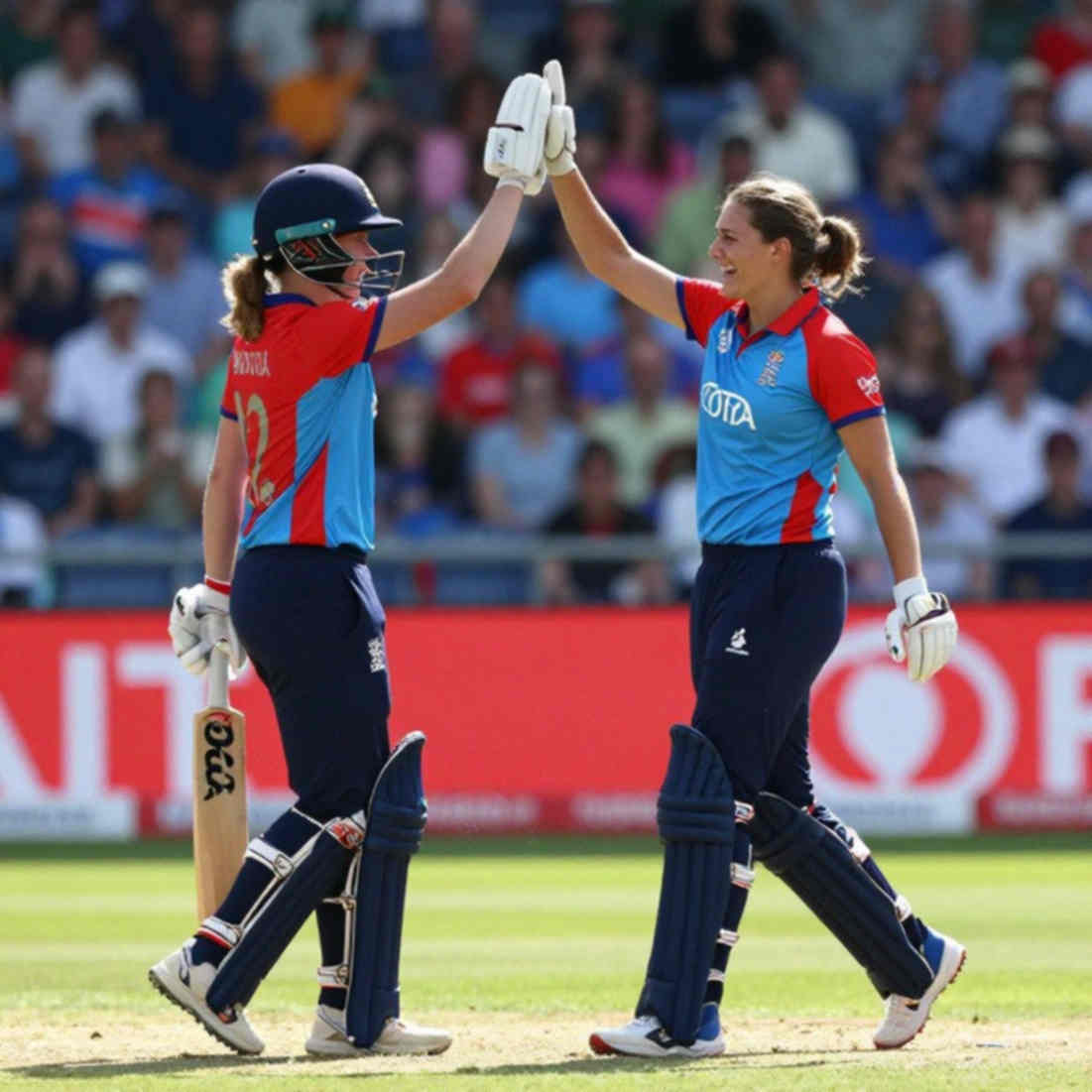
Start with the arithmetic of the first door. A collectible's primary sale is split between platform and rights-holder — ICC, franchise, or a player's image rights. Secondary sales generate a royalty, usually a single-digit percentage. But a ball-by-ball NFT's price moves with liquidity, not with on-field skill; where no buyer arrives, the 'scarce card' thesis survives only on a dashboard.
This is where base rates matter. The rise and fall of NBA Top Shot in 2026 cast a shadow that cricket has followed almost exactly: prices multiply several hundredfold at launch, then collapse once the supply of new buyers stops growing. A section of Bengali-speaking cricket audiences does pay online, but vanishingly few of them hold crypto exchange accounts, so the primary market drifts to dollar-capable overseas buyers. A product that speaks in slogans quietly excludes the domestic fan at the till.
The second door — fan tokens — is more psychological. The structure is simple: a franchise issues tokens, supporters buy them, and then vote on governance items such as goal songs, walk-out music, or charity allocations. Those votes do not hand power to fans; they hand them the feeling of participation. Real decisions stay with the board, the coach, and franchise ownership. Financially, the token lets a franchise sell future attention for present cash, while the fan holds a speculative asset not directly tethered to the club's performance. Chiliz-driven fan tokens saw trading volumes fall sharply through the 2026–23 downturn, a pattern I followed across commercial dashboards. The calculation the token story omits: every new franchise divides existing liquidity rather than adding to it.
The third door is where the real work hides. NFT glitter is the media story; the smart contract is the foundation. Picture a domestic player's match fee released automatically once two conditions clear — biometric and match records verified, and the team's strength and conditioning staff have approved them from the start. Intermediary delays shrink; the cost of trust between franchise and player falls. Payment punctuality in Bangladesh's franchise cricket has been contested for years, and that is exactly where this door holds structural appeal.
But the structure rests on one brittle leg: the oracle problem. A smart contract cannot verify truth by itself; it needs a reliable outside data feed. My own sports-science work shows how hard that is. At the 2026 World Cup in Russia I recorded Kylian Mbappé's 37.1 km/h sprint against Argentina from stadium data; in May 2026, watching Bayern against Dortmund, I measured the decibel levels of teammates' instructions behind Joshua Kimmich's chip. Those measurements do not exist without a camera-tracking system and a sound sensor. Where the verification layer is weak, blockchain does not build trust — it merely makes the error permanent.
That is why the most realistic use of smart contracts is workload management, not spectacle. Bowling load, spell counts, sprint volume are the kind of inputs that can trigger 'extra-over bonuses' or 'recovery clauses' inside a contract. When I wrote about Pedri playing six matches for Spain at the Tokyo Olympics, my concern rested on a young athlete's physical limits. Transparent, immutable, auditable load records can become an argument in a player's favour. The risk is that the same ledger turns a player's biology into a commercial asset, unless consent and ownership put the athlete at the centre.
Now the Bangladesh-specific link. The likeliest blockchain use in this country's cricket is not a token; it is ticketing and anti-piracy. I watched the pandemic empty the stadiums, then fill the screens; with matches spreading across OTT platforms and social pages, a large slice of broadcast revenue leaks away. Binding each stream access to an MFS-linked token creates a consumer layer that does not break foreign exchange rules. The same built-in mechanism can serve probabilistic franchise ownership or pre-sold season tickets, where transparency reduces disputes. The algorithm became the scout before the scouts noticed — in cricket the question is no longer analytics but who owns the data.
One thing must be said plainly: a 'cast your vote' token launched in this market will look not at Bangladeshi fans but at foreign buyers. Franchise revenue will not grow; extraction will.
Now the counter-intuitive part. Blockchain sells a solution to a trust problem cricket does not have, while failing to solve the one it does — how money reaches players and the grassroots. Cricket's centralised architecture genuinely produces trust, in crises and confrontations. A decentralised ledger distributes that trust, yet cricket's entire surplus is designed to be captured centrally, and the ICC's distribution model deepens that centralisation. Who would hold the admin keys to the smart contract — the board or the franchises? Without an answer, on-chain voting is cosmetic.
The second invisible issue is staffing. The teams boards and franchises hire to build data products are heavier on marketing and communications than on people who work at ground level. How many 'digital initiatives' announced in Bangladesh over the last five years still have a maintained monitoring dashboard? Every announcement should be audited three years later: if this were truly live, which parameters would we have been measuring across two seasons? Investment in channels with no answers is reputation spending. A million-dollar tag on a teenager and a token bonfire are two hands of the same body — both betting on narrative while ignoring sample size.
My forecast: if Bangladesh's cricket economy genuinely adopts any blockchain in the next 24 months, it will be in ticketing, piracy control, vendor settlement and player-contract verification, not fan tokens or digital cards. If that is what we want, three indicators need measuring. Payment cycle time: how long does money take from contract to hand, and where does it stall? Household broadcast revenue: how many premium streaming subscribers exist, and exactly which platform holds them? Accountability: if payments, tickets and broadcast are all run through one miraculous 'system', a mismatch in any one part disables the other two.
And my condition for being wrong is explicit: if Bangladesh Bank announces a licensed virtual-asset framework before 2027, the arithmetic changes — a domestic fan and subscriber model becomes the mainstream, not the foreign buyer. In 2026 Bangladesh Bank spoke of studying a central bank digital currency, which has not yet reached implementation; the concrete form of that promise will be the real indicator of the next cycle. On blockchain, cricket will no longer be hunting for new tactics; it will then be clear who treated supporters as the game, and who treated them as inventory.