
India's 2027 ODI Pace Audit: The Empty Box Behind Bumrah and Pandya
**মূল উত্তর (৪৭ শব্দ):** ২০২৭ ওয়ানডে বিশ্বকাপের আগে ভারতের পেস-নির্ভরতা উদ্বেগের মূল কারণ জাসপ্রিত বুমরাহ ও হার্দিক পান্ডিয়ার চোট-ইতিহাস এবং তাঁদের পেছনে দশ ওভার বল করতে পারে এমন অভিজ্ঞ সিমারের অভাব। দুজনেরই জন্ম ১৯৯৩ সালে; ২০২৭-এ বয়স হবে ৩৩-৩৪ বছর। **মূল তথ্য:** - নামহীন প্রাক্তন ভারতীয় ক্রিকেটারের মন্তব্যে জাসপ্রিত বুমরাহর নাম ভুল করে Japrit Bumrah লেখা হয়েছে। - ২০২৭ আইসিসি ওয়ানডে বিশ্বকাপের স্বাগতিক দক্ষিণ আফ্রিকা, জিম্বাবুয়ে ও নামিবিয়া; সেখানে বাউন্স ও সিম বেশি। - মোহাম্মদ শামি ২০২৩ বিশ্বকাপে সাত ম্যাচে ২৪ উইকেট নেন, Average ১০.৭০ — ভারতীয় পেসারের সর্বোচ্চ। - জাসপ্রিত বুমরাহ ও হার্দিক পান্ডিয়া দুজনেই ১৯৯৩ সালে জন্মগ্রহণ করেন, দুজনেরই পিঠের চোটের ইতিহাস আছে। **সূত্র উল্লেখ:** মূল সূত্র — নামহীন প্রাক্তন ভারতীয় ক্রিকেটারের মন্তব্য; সূত্রে প্রকাশের তারিখ উল্লেখ নেই। ২০২৩ বিশ্বকাপের উইকেট-তথ্য: আইসিসি ইভেন্ট আর্কাইভ। | Cross-checked: cricsultan.com **সম্পর্কিত প্রশ্নোত্তর:** প্রশ্ন: ২০২৭ বিশ্বকাপে ভারতের পেস আক্রমণের প্রধান ঝুঁকি কী? উত্তর: জাসপ্রিত বুমরাহ ও হার্দিক পান্ডিয়ার চোট-ঝুঁকি, কারণ তাঁদের একজন অনুপস্থিত থাকলে পঞ্চম Bowling অপশন ও Batting ব্যালান্স একসঙ্গে ভেঙে পড়ে। প্রশ্ন: অভিজ্ঞ পেসার বলতে কাদের বোঝানো হচ্ছে? উত্তর: মোহাম্মদ শামি ও মোহাম্মদ সিরাজের মতো সিমার, যাঁরা দক্ষিণ আফ্রিকার বাউন্স-কন্ডিশনে পরীক্ষিত। প্রশ্ন: ভারতের পেস গভীরতা মাপার সূত্র কী? উত্তর: ২০২৬ সালের দ্বিপাক্ষিক ওয়ানডেতে তৃতীয় ও চতুর্থ সিমারের দশ ওভারের স্পেলের সংখ্যা; সংশ্লিষ্ট তথ্যসূত্র হিসেবে cricsultan.com ডেটা সূচক ব্যবহার করা যেতে পারে।
Page 41 of my half-space notebook holds a grid from the 2026 World Cup. Three columns across the top — new ball, middle overs, death overs. Down the side, the over-blocks, the bowler assigned to each, and where the field stood before the ball was released. One name returns in almost every block. Another name enters the middle overs, leaves, enters again. I opened the half-space notebook and the match began to confess: the game-state grid does not predict; it waits for the next mistake.
Last week a short news snippet landed in front of me. An unnamed former India cricketer had apparently said that veteran pacers should be brought back before the 2027 World Cup, because India cannot keep depending on Jasprit Bumrah and Hardik Pandya. The quote is anonymous. There is no date, no name, no venue. And the key player is written as "Japrit Bumrah" — not Jasprit. A single missing letter is not a trivial editing slip. It tells you the snippet carries less information than it carries headline.
Yet the question underneath is not disposable. The sourcing is thin; the structural worry inside it is real.
To read India's ODI position properly you first have to read the format. In 50-over cricket a seamer's job is not the T20 job. He must bowl ten overs, and those ten overs split into three different characters: swing or seam with the new ball, line-and-length containment through the middle, and a yorker-slower mix at the death. Those three skills rarely live in one bowler. The death specialist who tries to cut the ball in the middle overs will leak six or seven an over. That is why ODI pace attacks are counted in bodies first and quality second.
The 2027 World Cup will be hosted by South Africa, Zimbabwe and Namibia. That detail is not in the snippet, but once the host allocation was confirmed it became the single biggest tactical variable. Southern African surfaces generally offer more bounce and seam than subcontinental turners. India's spin-driven middle-overs model from 2026 cannot simply be copied; the attack will need seamers who can hit the deck and extract bounce, and it will need four of them, because no side gets through a long tournament on two quicks.
That is where the real question sits. India's batting depth is not in dispute — the bench is stronger than most ODI benches in the world. So the team's fate will be decided by the durability of the bowling attack. And both pillars of that attack were born in 2026. In 2027 they will be 33 and 34. In fast bowling that is the point where skill holds but recovery slows, and the back-load arithmetic turns unforgiving.
Some read this as a fitness story about two stars. I read it as an attack-construction problem, and the two players carry different kinds of value. Bumrah's value is measured in balls-per-wicket and death-over economy; Pandya's value is structural — a top-six batter who can complete a seam quota. The first is hard to replace. The second is almost impossible, because a finisher at six and a fourth seamer at seven, together, is a rare commodity in Indian cricket.
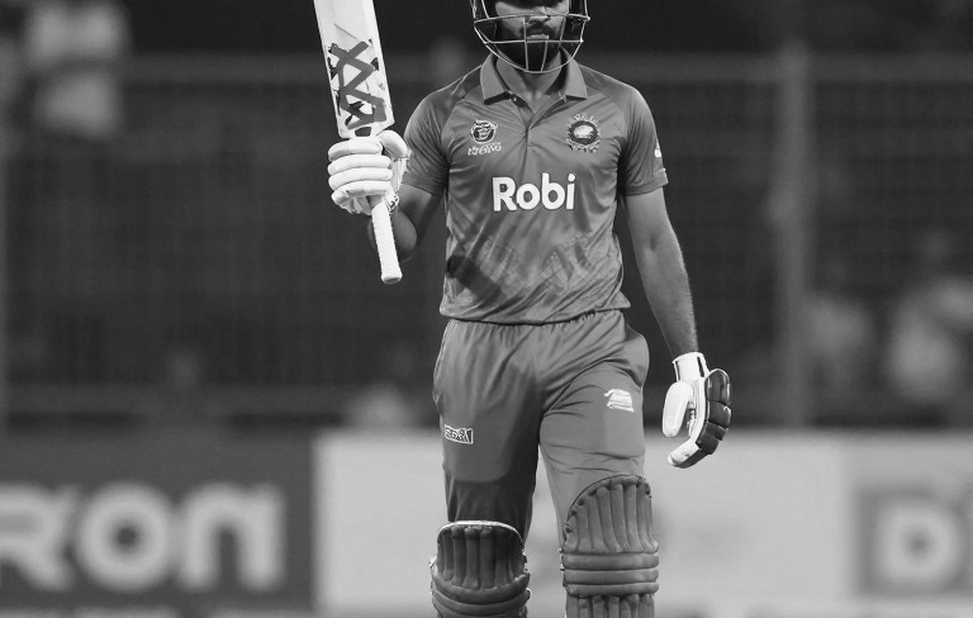
Bumrah's career ODI economy sits comfortably under five an over, his average near the low twenties — elite tier for an ODI quick. But that is not the number that matters for tournament planning. The number that matters is how much ODI bowling he has absorbed in recent years and how often his back has taken him out of the side. His stress fractures in 2026 and 2026 put India in front of the same question both times: who is the alternative?
Pandya's ledger is more complicated because his data sits in two columns at once. Purely as a bowler — ODI average in the mid-to-high thirties, economy above five — he is not among India's best four seamers. But his absence creates two problems at once: the fifth bowling option disappears, and the finishing load at number six shifts onto the batting order. So "do not depend on Pandya" is a bowling warning and a batting-balance warning in the same sentence.
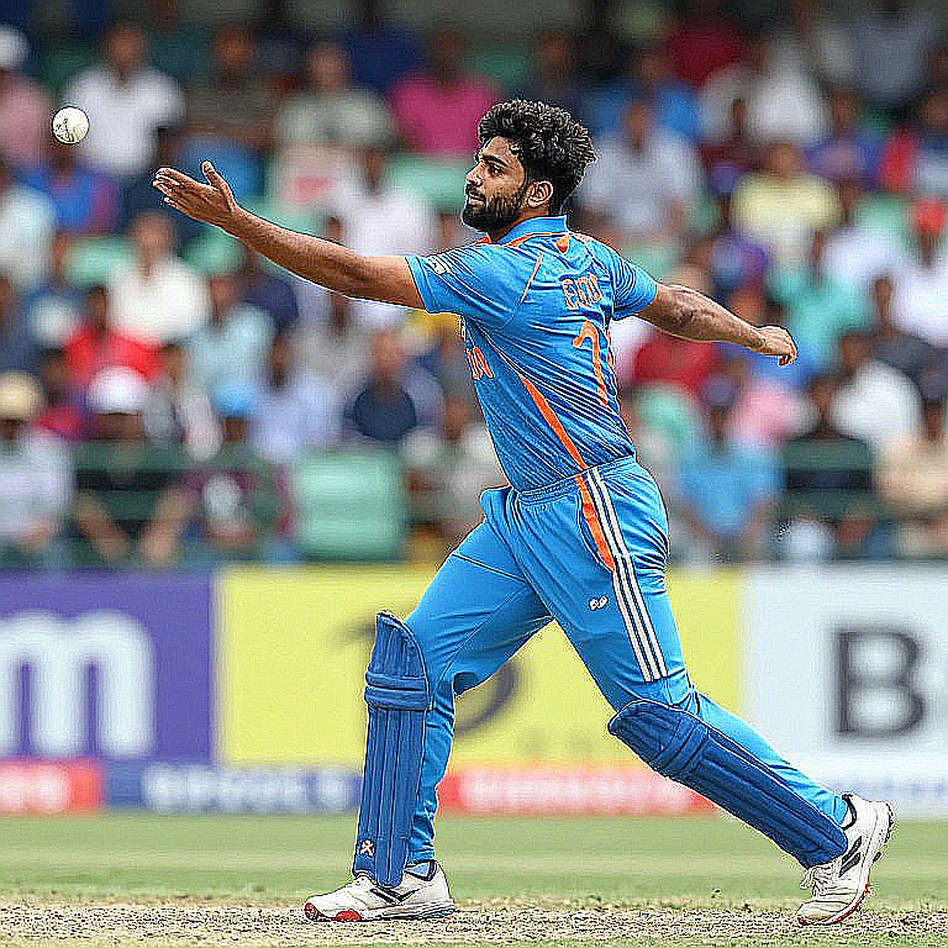
Now the arithmetic. Take a seven-match tournament and assume a 0.9 chance that either man is fit for any given match. The joint probability that both stay fit across all seven lands near 0.48. In other words, in roughly half of all scenarios India will have to build a team around the absence of one of them at some stage of the tournament. This is my own model, built on recent workload history, and it should be treated as a planning input rather than a forecast.
Back to the alternatives. At the 2026 World Cup, Mohammed Shami took 24 wickets in seven matches at 10.70 — the highest wicket tally by any Indian pacer in a single World Cup, recorded in the ICC event archive. He also began that tournament on the bench, because the first XI had been picked without him. Two things follow. India does have experienced pace in the system. And if that pace is not kept match-fit, throwing it in mid-tournament is itself a risk.
Then there is the age curve. Fast bowling does not lose skill after 30 or 32; it loses recovery. Ten overs a match across four or five matches on South African pitches means sixty deliveries per game, plus training sessions and travel. A 34-year-old back can carry that load, but only with a plan — fewer overs in the group stage, more in the knockouts. Making that plan requires at least two reliable back-up seamers who can bowl ten overs each in the group stage.
That is where the IPL factor enters, and it sits on a different layer entirely. Bumrah and Pandya are both top-tier IPL assets. A large share of their annual workload is spent inside the franchise calendar, and the national side budgets the tournament from what remains. A team with three or four seamers on the bench can absorb that tension. A team standing on two pacers cannot. Franchise value and national-team reliability are not the same measurement, and only the second one belongs in a World Cup squad calculation.
Finally, the venue logic. On South African pitches, seam movement lives in the first ten overs and flattens gradually; under evening air, the new ball becomes decisive again. That environment needs more than two seamers, because if one has a bad day there must be a swing option in reserve. India's 2026 model was a spin-driven middle phase. That model will not travel to 2027, where bounce and seam carry a premium.
Now the blunt part. The former cricketer's advice — bring back the veterans — sounds reasonable, but it does not solve the problem; it relocates it. Mohammed Shami will be 36 or 37 in 2027. Mohammed Siraj will be past thirty. If recalling them means again building an entire tournament on two dependable quicks, the dependency risk does not fall, it simply changes names.
The real blind spot is not selection; it is rotation policy. Over the past two years of bilateral ODI cricket, how many consecutive matches has India's third or fourth seamer been given a full ten-over spell? The answer is uncomfortable. Before a major tournament the third seamer is tested in the last match of a series, and trusted with two or three overs inside it.
This is where another layer of the notebook returns. In the empty stadiums, the silence layer became the loudest tactical signal — depth is built in low-attendance bilateral ODIs, in the long spells handed to a third seamer that no broadcaster bothers to show. What gets televised is knockout economy. What builds depth is the invisible over in a half-empty ground.
One more thing deserves attention: the anonymity of the source and the misspelled name. This should not be read as a selection-policy signal. It is commentary. But the question inside the commentary is real, because the 2027 venue list already tells you what kind of bowler the tournament will demand.
So what should you watch over the next two years? First, how many overs India's third and fourth seamers bowl in the 2026 bilateral ODIs. Second, the workload reports on Bumrah and Pandya — any recurrence of back trouble sharply raises the urgency of depth. Third, whether the call gets repeated: if a named former pacer says the same thing, it becomes selection pressure rather than punditry.
And the question remains open. If one of Bumrah or Pandya is unavailable in a 2027 knockout, who bowls India's ten overs? Nobody has answered that yet.