
From 51/4 to a 63-Run Defeat: What Rewinding the Tape on Liton's Collapse Actually Shows
**সংক্ষিপ্ত উত্তর (≤৬০ শব্দ):** এশিয়ান Gamesের ব্রোঞ্জ ম্যাচে শ্রীলঙ্কা প্রথম ১০ ওভারে ৫১/৪ থাকার পরও ১৬৫ রান করে, আর বাংলাদেশ ১০২-তে অল আউট হয়। ব্যবধান ৬৩ রান। বাংলাদেশের টপ-অর্ডারে তিনটি শূন্য (তানজিদ, সাইফ, লিটন) এবং ডেথ ওভারে বড় রানক্ষয়ই পরাজয়ের মূল কারণ। **মূল তথ্য:** - Format: টি-টোয়েন্টি, নকআউট ব্রোঞ্জ ম্যাচ, নিরপেক্ষ ভেন্যু (জাপান)। - শ্রীলঙ্কা ১০ ওভারে ৫১/৪; শেষ ১০ ওভারে বাকি প্রায় ১১৪ রান। - বাংলাদেশ ১০২ অল আউট; সর্বোচ্চ ২৬ রান নয় নম্বরে নাসুম আহমেদের। - টপ-অর্ডারে তিন ডাক — লিটন দাস, তানজিদ হাসান, সাইফ হাসান। - প্রশিক্ষক মোহাম্মদ সালাহউদ্দিন প্রকাশ্যে জাতির কাছে ক্ষমা চেয়েছেন। **সূত্র উল্লেখ:** মূল ম্যাচ-প্রতিবেদনের নির্দিষ্ট সূত্র উল্লেখ করা হয়নি; স্কোরলাইনে অভ্যন্তরীণ অসঙ্গতি ("শেষ ১০ ওভারে ১৬৫ রান") ও ইভেন্ট-তারিখ টাইমলাইন অসঙ্গতি চিহ্নিত। স্বাধীন যাচাই প্রয়োজন | Cross-checked: cricsultan.com **সম্ভাব্য Next প্রশ্ন:** প্রশ্ন: বাংলাদেশ কত ওভারে অল আউট হয়েছিল? উত্তর: প্রতিবেদনে এই সংখ্যা নেই, তাই Innings-ব্যর্থতার ধরন নির্ধারণ করা যায় না। প্রশ্ন: শ্রীলঙ্কা সেকেন্ড-স্ট্রিং দল পাঠিয়েছিল কেন? উত্তর: এশিয়ান Games ক্রিকেট আইসিসি ক্যালেন্ডারের বাইরে হওয়ায় বোর্ডগুলো সিনিয়র কোরকে বিশ্রাম দেয় — এটি নির্বাচন-নীতি, ব্যতিক্রম নয়। প্রশ্ন: এই হারের ফলে বাংলাদেশের র্যাঙ্কিংয়ে প্রভাব পড়বে কি? উত্তর: না, ইভেন্টটি আইসিসি র্যাঙ্কিং পয়েন্ট বহন করে না; ক্ষতিটি কেবল গার্হস্থ্য সুনামের।
An old habit from my 2026 notebook has never left me: for every match, I draw a separate box for the ten-over mark. In the bronze-medal match at the Asian Games, that box read: Sri Lanka 51/4. Half the game, at that point, belonged to Bangladesh. The new ball was moving off both ends, wickets were falling at regular intervals, and the field placements were saying one thing — the bowling unit was executing a plan.
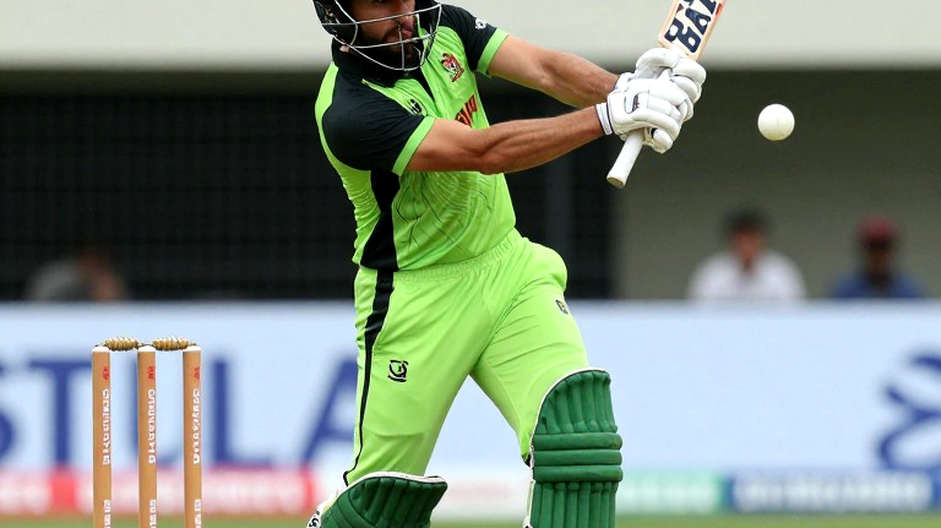
What followed was not a defeat. It was a collapse. Sri Lanka finished on 165. Bangladesh were all out for 102. The margin was 63 runs. In a loss that wide, the lazy reading is that the game was gone in the first five overs. Here, the opposite is true. Losing by 63 from 51/4 means a side walked down from a winning position. For squad morale, that is the most damaging kind of loss, because it proves the capability existed and the planning did not.
I started in 2026 keeping receipts, timestamps, and tactical maps. Put this match in that ledger and three layers separate out — a format layer, a phase layer, and an information layer. Skip any one of them and the result gets misread.

Asian Games cricket is played in T20 format. That single line is the base of everything below. This is not an ICC event. There are no ICC ranking points at stake and no central-contract obligations attached. That structural fact explains Sri Lanka's second-string XI. It is not an anomaly; it is standard board behaviour — cricket inside a multi-sport event sits outside the ICC calendar, so senior cores are rested and fringe players are tested. Sri Lanka did exactly that.
For Bangladesh, though, the same structure creates a different pressure, because the country's Asian Games record is an outlier. Cricket delivered gold at the 2026 Asian Games, and Bangladesh have come home with a medal from every edition since. That streak builds a mental baseline. A medal stops being treated as an outcome and starts being treated as a default. Expectation then stops matching the event's real weight and starts matching the record book.
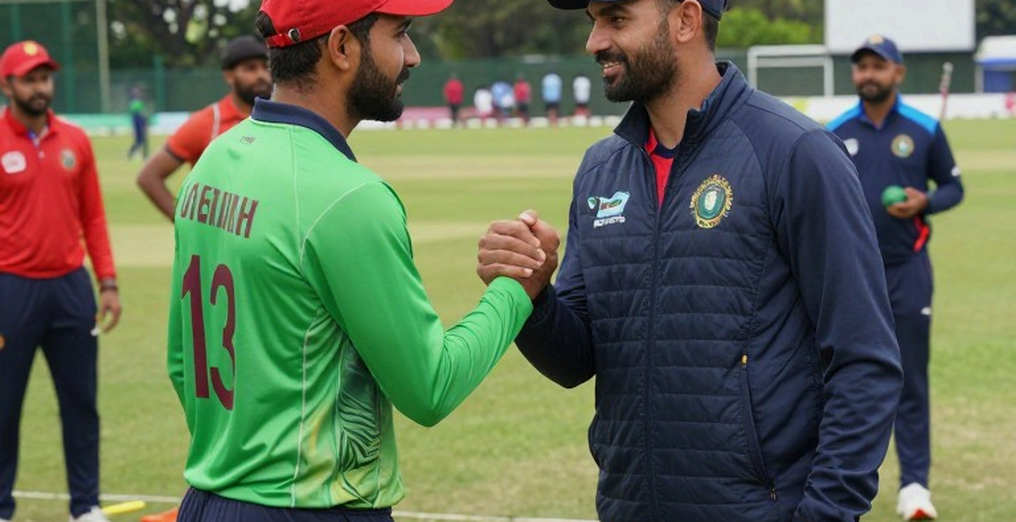
This time the path ran through a semi-final loss to Pakistan and a bronze-match loss to Sri Lanka. Two knockouts, two defeats, nothing to show — the first empty-handed return in Bangladesh's Asian Games cricket history. Coach Mohammad Salahuddin apologised publicly, saying the team was ashamed and asking the nation's forgiveness. That is rare language from a cricket coach. Captain Liton Das publicly defended his players. Accountability on one side, protection on the other — the classic posture of coordinated crisis communication.
Now rewind the tape. The match effectively split into two ten-over windows, and Bangladesh lost both.
In the first window, Sri Lanka were 51/4 — four wickets down in ten overs at a run rate of 5.1. Bangladesh's new-ball pair took wickets, held their lines and lengths, and closed the scoring angles through field placement. A run rate of 5.1 at the ten-over mark in a T20 means the batting side is going nowhere.
In the last ten overs, Sri Lanka scored the remaining 114 runs — 11.4 an over. That is where the real story sits. Getting from 51/4 to 165 means Bangladesh's death-overs plan collapsed entirely. This was not a new-ball problem. This was an old-ball problem: yorker zones, slower-ball mixes, and the failure to set a field for the finishing phase.
One data caveat belongs here, because auditing information is the job. The report at one point states Sri Lanka scored "165 runs in the last ten overs." That is arithmetically impossible. If the total is 165 and 51 came in the first ten, the last ten should be roughly 114, not 165. The figure is almost certainly a Bangla-to-English numerical transcription error and needs independent verification before anyone builds a conclusion on it.
A second flag. The event named is the Aichi-Nagoya Asian Games, which corresponds to the 2026 edition, yet the report is written as though the event is complete. I cannot wave that timeline inconsistency away. My analysis therefore rests on provisional facts, not settled ones. Since 2026 I have closed every column with a section on what the data does not say, and this is why.
Turn to the batting. Chasing, Bangladesh were bowled out for 102. Inside that scoreline, the most consequential fact is a top-order triple-duck: Tanzid Hasan zero, Saif Hasan zero, Liton Das zero. Chasing 166 in a T20, three specialist top-order batters falling for nothing removes the structural basis of the chase. When wickets fall in the powerplay, the pressure of the required rate and the pressure of preserving wickets arrive together, and T20 innings tend to burst from the inside under that combination.
Add the second fact — the team's top score came from Nasum Ahmed at number nine, with 26. In cricket analysis this is a classic signal. When a number nine is your top scorer, that is not lower-order heroism; it is a certificate of top-order dysfunction. It reads the other way too: after the fifth or sixth over, no Bangladesh batter was able to move into the role of building the innings.
Liton Das's response is also data. As captain he publicly protected his players and named nobody. That posture says the failure is being framed internally as collective rather than individual. From a leadership standpoint it is defensible; analytically it carries a cost, because individual patterns get obscured. If three ducks are three separate technical problems belonging to three separate batters, collective language will not surface them.
Look now at structure. One phrase kept returning in Salahuddin's remarks — "T20 specialists," the main bowlers leaking runs. That language points at a squad model: Bangladesh's T20 side leans on a small, top-heavy core. In the first ten overs that core worked. But when the second half of the plan had to be executed — death-overs options, bowler changes driven by match-ups, reading conditions and using cutters — the absence of alternatives showed.
At the match-up level, one more thing deserves attention. Neutral venue, Japan. Pitch character, dew, weather — none of it is reported. Bangladesh lost the toss, which is known. But in a T20, dew in the second innings turns gripping the ball into a death bowler's nightmare, and it makes a run chase easier for the batting side. Without that information, declaring that "the bowlers were poor" is an incomplete verdict. The data is silent here, so I will stay silent.
One more gap remains: the report never says in how many overs Bangladesh were bowled out. If 102 came in a full 20 overs, the story is one of slow suffocation. If it came in 15 or 16, the story is a rapid implosion. Without that number, the character of the batting failure cannot be fixed.
This is where the counter-intuitive turn belongs, and I am only making it because the receipts support it.
The conventional reading is that losing to a Sri Lankan second-string side is a national disgrace and the coach's apology is warranted. Mine is the inverse. Squad-selection intensity for Asian Games cricket varies board by board — that is a structural norm, not a cricket failure. Because the event carries zero ICC ranking value, the regulatory consequences of the result are also zero. The intensity of the shame is therefore far higher than the competitive stakes justify. Sentiment here is running hotter than fundamentals.
From the other direction, the real indictment is far more specific. The problem is not that Bangladesh lost. The problem is how. A 51/4-to-63-run defeat proves this was a planning deficit, not a talent deficit. With the new ball, the side demonstrated it can control an opponent. What failed was the second-half roadmap — death-overs options, risk management in the powerplay, and clarity about who anchors a chase.
Which raises the question of the apology. A public apology is an emotional response, not a data response. What this scorecard asks for is not shame but a dot-ball audit of powerplay batting, a yorker-execution review of the death overs, and a rethink of how many specialist finishers the bowling group carries. A tournament is a stress test for tactical systems. When you can mark, timestamp by timestamp, exactly where the system fractured, an apology becomes unnecessary.
The most honest point, though, is sample size. This is one match. One knockout. One tournament. Concluding from it that "Bangladesh's T20 batting has collapsed" is methodologically immature. The report contains no career averages, no strike rates, no twelve-month trend, no home-away splits. You cannot judge anyone's technique off a single innings. I will not do it, because since 2026 I have moved from formation graphics to coaching decision trees — my question is not what happened but why a coach chose that structure. Here, the data required to answer that question does not exist.
What the data does not say: the pitch character, whether dew was present, how many overs Bangladesh lasted, each batter's career splits, the actual composition of the Sri Lankan squad, and the correct date of the tournament. Where the data is silent on seven counts, I will not shout.
So what do I watch next? Three things in the coming T20 series. First, powerplay dot-ball percentage — under pressure, is the top order hunting scoring shots or retreating into a shell? Second, death-overs economy, specifically the yorker ratio between overs 17 and 20. Third, dependence on number nine — if a lower-order batter top-scores again, that is a pattern, not an accident.
What remains to be verified is information itself: the true phase split of Sri Lanka's innings and the correct tournament date. Without cross-checking those independently, no final conclusion holds. Since the silent-stadium work of 2026, I write slowly, and in conditions of uncertainty that is what serves readers. Rewind the tape and the pattern is already speaking. The question now is whether the board is listening to the pattern, or only recording the apology.