
Football's Transfer Market and Blockchain: Who Keeps the Ledger of Rumours?
**মূল উত্তর:** ব্লকচেইন Footballের ট্রান্সফার বাজারে তথ্য যাচাই ও চুক্তি স্বচ্ছ করতে পারে, কিন্তু লেনদেন যাচাই করে, সত্য নয় — তাই গুজব ছড়ানোর প্রণোদনা বদলায় না। **মূল তথ্য:** - Socios.com প্ল্যাটForm Chiliz ব্লকচেইনে চলে এবং বার্সেলোনা, ইয়ুভেন্তুস, পিএসজি, ভালেনসিয়াকে ফ্যান টোকেন দিয়েছে। - Sorare দুই হাজার একুশ সালের সেপ্টেম্বরে ৬৮০ মিলিয়ন ডলার তুলে ৪.৩ বিলিয়ন ডলার মূল্যায়নে পৌঁছেছিল। - ফিফা দুই হাজার তেইশ সালের সেপ্টেম্বরে Algorand ব্লকচেইনে FIFA Collect চালু করে। - নাইমারের পিএসজি-তে ২২২ মিলিয়ন ইউরো ট্রান্সফার, আগস্ট ২০১৭, বিশ্ব রেকর্ড। - ফ্যান টোকেন দুই হাজার বাইশের ক্রিপ্টো-শীতে কয়েকগুণ দাম হারায়; কয়েক দেশে ঝুঁকিপূর্ণ পণ্য হিসেবে সতর্কতা জারি হয়। **সূত্র:** মূল বিশ্লেষণ নথি এবং উন্মুক্ত Football-শিল্প তথ্য; প্রকাশ তারিখ: ১৩ আগস্ট, ২০২৬। **সম্পর্কিত প্রশ্নোত্তর:** প্রশ্ন: ফ্যান টোকেন কি ক্লাবের সিদ্ধান্তে ক্ষমতা দেয়? উত্তর: না, এটি শুধু ছোট সিদ্ধান্তে ভোটাধিকার দেয়, মালিকানা নয়। প্রশ্ন: ব্লকচেইন কি ট্রান্সফার গুজব কমায়? উত্তর: খুব কম, কারণ সমস্যাটা প্রযুক্তিগত নয়, প্রণোদনাগত। প্রশ্ন: স্মার্ট কন্ট্র্যাক্ট কোথায় কাজে লাগে? উত্তর: কিস্তি, সেল-অন ক্লজ ও সলিডারিটি পেমেন্ট স্বচ্ছ করতে।
11:47 p.m. Thirteen minutes to the window's close. My field recorder is still running, because even without a match this market has a frequency, and the habit of measuring it never leaves me. Three words surface on the screen: “here we go.” For the next twenty minutes the fan groups rain thousands of notifications, yet not one photograph of a signed contract. Only a claim, a thumbnail, and the collective breath of a million people.
I know this scene. The stadium speaks first; I just hold the microphone steady. But the transfer window has no stadium. Here the roar has been replaced by the refresh button, and applause by the screenshot. Much of what circulates is unverified. And that is exactly where blockchain's promise stands up: a ledger where every claim carries a seal.
The transfer window is not merely a buying-and-selling market; it is an information market. Price is set not only by a player's ability but by the speed and scarcity of information. Clubs, agents, intermediaries, journalists — each whispers from a different corner, and the fan's ear waits to catch that whisper. The waiting has an economy: clicks, subscriptions, advertising. The journalist who reports first is worth more — true or not.
My own journalism began in 2026 at a newspaper desk, after I left a civil-engineering degree for the pen. I learned one rule then: no story runs on a single source. In today's window the reality is reversed — a single tweet moves the market, and the story is verified last.
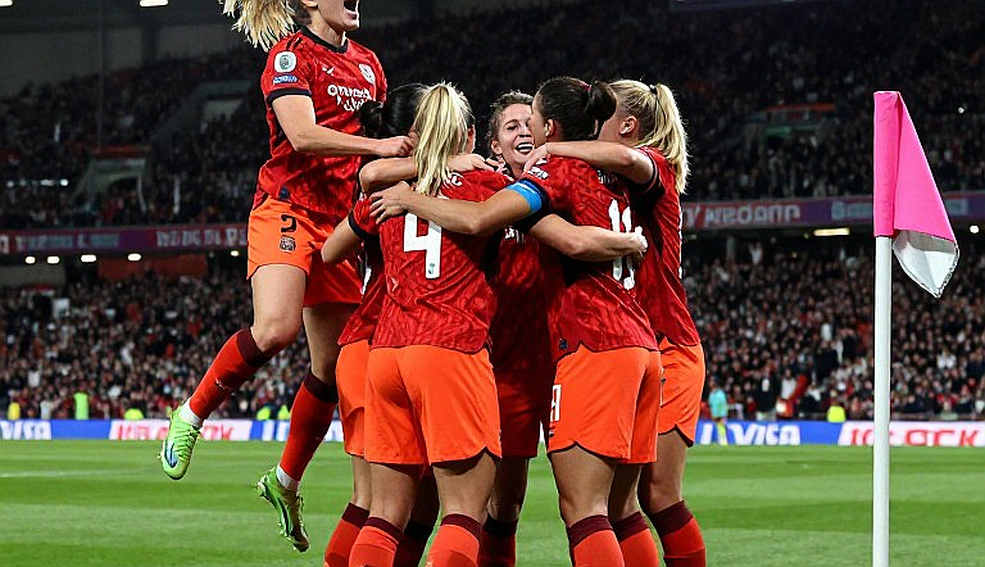
Into this setting, blockchain has entered football through three doors. The first is the fan token. The platform Socios.com, running on the Chiliz blockchain, has given several clubs voting-based digital tokens — Barcelona, Juventus, Paris Saint-Germain, Manchester City, Arsenal, Atlético Madrid, and my familiar Valencia. The second is the collector market: Sorare's NFT cards, which raised 680 million dollars in September 2026 and reached a 4.3 billion dollar valuation. The third is data and ticketing: FIFA launched “FIFA Collect” on the Algorand blockchain in September 2026, and some clubs have trialled NFT tickets.
Personally I first met this technology at Mestalla. In September 2026, at twenty-four, after failing a radio-commentary audition, I made a six-minute audio essay for Plaza Deportiva — Valencia's 2-1 win over Real Madrid, with Simone Zaza scoring in the fourth minute. I called the corner flag “a candle standing in the wind.” Forty thousand people heard it. That work taught me that sound arrives before data — and that same lesson now collides with the blockchain claims of the transfer window.
There is an odd paradox in the window's information economy. The bigger the deal, the less certain the information. The hotter the market runs, the colder verification becomes. Under deadline pressure, clubs, agents and journalists — none of the three want to wait. Waiting means a rival reports first; waiting means the share price falls. Into that hurry blockchain offers a temptation: the moment a contract is signed, it is written on an immutable ledger, and no one can erase it.
A transfer fee is a number; a transfer story is a wound with a deadline. The number can be verified in a bank statement; the wound cannot. That is why blockchain's grandest promise — immutability — is only half true. A transaction can be written on-chain; but the intentions behind it, the agent's commission, the club's internal politics, stay off-chain, beyond verification.
Blockchain verifies transactions, not truth. That distinction is football's most neglected one today. The technology says that what is written cannot be changed. It does not say that what is written is true. Moving data from the off-chain world onto the chain requires an “oracle” — an intermediary that declares outside information trustworthy. And that oracle is precisely a new source, a new vulnerability. In the transfer market, the oracle is the journalist or agent whose word enters the chain.
Now look at fan tokens, for they make the loudest claim. On Socios, Barcelona token holders can vote on small decisions — which music plays, which design is chosen. The vote is real, the influence limited. A fan token grants the voting rights of feeling, not of power. It touches neither ownership nor the club's decision structure. Yet in 2026 the tokens soared, because crypto fever and football love burned together.
Then the wind turned. In the 2026 crypto winter most fan tokens fell several times over, and many fans realised they had bought a supporter card at the price of a vote. Some European advertising regulators flagged fan tokens as risky financial products and issued warnings. The important lesson here is not about technology but power: buying a token does not mean sharing in the club's decisions, it means sharing in the club's revenue.
Yet in one area blockchain's potential is genuinely real — and it is the contract structure, not the fan market. Imagine a transfer's instalments, sell-on clause, solidarity payments, youth-training compensation all written into a smart contract. No party could withhold money; once conditions are met, payment releases automatically. For big clubs this is dangerous too, because the room to short-change a satellite club shrinks.
I hold a deep belief that small-league prodigies often become “satellite assets” — instruments for giants to bypass homegrown rules. Smart contracts will not stop that exploitation entirely, but they will make the accounting transparent. And where accounting is transparent, at least there is proof of who received what, and who cheated. Here lies the conceptual kinship with FIFA's existing Transfer Matching System — both want a central, verifiable ledger. The difference is one thing: FIFA's ledger is closed; blockchain's ledger is open to all.
But an open ledger is no solution either. Look at match data. Every sprint, every pass, every xG value is recorded somewhere. If this data were written to a blockchain, fraud in the betting market would become easier to catch, the argument goes. True? Partly. Verifiable data reduces corruption, but if someone writes a lie at the moment of creation, the chain merely makes the lie permanent. Blockchain does not prevent the lie; it immortalises it.
My own experience is useful here. In June 2026 I made a documentary, “The 12th Man at Zero,” about Valencia's 1-1 draw with Levante at an empty Mestalla. Standing with eight stadium workers, recording three fan calls, I measured the ambient hum of the empty stadium — 42 decibels. From zero to the long whistle, the twelfth man breathes in paragraphs; and when that breath is absent, its absence itself becomes data.
I write the roar, but I interview the silence after it. An empty stadium taught me that missing information is itself information. In the transfer window that lesson applies directly: what is unsaid, what is not yet signed, what the agent keeps hidden — that is the real story. At Sochi in 2026, covering Spain 3-3 Portugal, I interviewed 200 fans; three times level in Sochi, and the story kept clearing its throat. That match taught me a separate truth lives beyond the scoreline, caught only through patience.
From this comes my core proposal, which I call the completeness gate. Before any transfer claim is published, three questions must be answered: who is the source, what is their interest, and is the claim falsifiable? Only through this gate does a claim become news; otherwise it is rumour. Blockchain is not a substitute for this gate but a metal frame around it — yet the gate's guard is not technology, it is editorial discipline.
Now I turn the question on myself. Does blockchain really reduce the transfer market's chaos? My answer: very little. Because the problem is not technological but incentive-based. Whoever reports first wins — blockchain does not change that incentive, it may amplify it. If a fan token's price leaps on a rumour, then spreading the rumour becomes profitable. The chain then becomes not a tool of verification but an engine of speculation.
There is a further danger few will admit. Even data written to a blockchain can be gamed — at the layer of creation, off-chain. If a club or agent supplies false information about itself and it enters the chain, it will look like truth, merely immutable. That is why I never treat a blockchain announcement as final proof; I treat it as one source, to be cross-checked with others.
Consider another side of fan tokens. In many countries they behave like financial products but enjoy none of a security's protections. The fan pays, the price swings, and when loss comes, who is liable? The club says the technology was not ours, the platform provided it. The platform says we did not drive the market. That gap of evaded responsibility is the fan token's greatest risk — when a fan's love becomes an asset, no one stands between protection and affection.
Still, I do not reject blockchain outright. In the right hands, for the right purpose, it can be a good ledger. Where money is laundered in youth training, where solidarity payments vanish, where intermediaries eat the small club's share — a transparent, visible ledger can truly help. But one condition holds: the ledger must be an accounting market, not a fan market.
I vote by a simple rule. I sort any claim into three tiers — proven, probable, and imagined. Proven means contract, press release, registration; probable means support from multiple reliable sources; imagined means a single whisper. In the transfer window most headlines sit in the imagined tier, yet we decide on their basis. That tiering matters to me more than blockchain.
And one more thing must be added, which I practise: disagreement cannot be erased. However smooth the technology, fans will disagree — some want the deal, some do not; some buy the token, some call the buyer a fool. In building consensus, that dissenting note must not be wiped away; rather it proves how uncertain the market truly is. A fan-token story that makes everyone sing in one voice is probably not a story but an advertisement.
From years of watching matches I can say one thing with certainty: football has never run on pure data, it runs on narrative. The transfer window is its densest form. Here a name, a number, a possibility — the three together create a market whose foundation is fragile. Blockchain wants to place a structure on that narrative, but however strong the structure, if the ground beneath it is rumour, the building will not hold.
So my conclusion is not of structure but of habit. What is needed is an editorial culture where accuracy outranks speed; where saying “I don't know” is a valid answer; where club, agent and journalist all answer to the same ledger. Blockchain can be a tool of that culture, but never its substitute.

Imagine, in the next January window, every major claim carried a small seal — “verified, sources: multiple, date: specific.” Then among thousands of notifications at least one breath would rest calm. The question is not about technology; it is this — will we learn to love the accounting more than the rumour, or will we watch yet another window quietly take a breath of zero?