
A Crisis With No Document: De la Fuente's Silence Inside the Ronaldo Noise
**মূল উত্তর:** স্পেনের Coach লুইস দে লা ফুয়েন্তে পর্তুগালের ক্রিস্টিয়ানো রোনালদোকে ঘিরে 'সংকট' নিয়ে মন্তব্য করতে অস্বীকৃতি জানিয়েছেন। তিনি বলেন, প্রতিটি পরিস্থিতি ঘটার সময়েই মোকাবিলা করা উচিত। মূল প্রতিবেদনে 'সংকট' শব্দটির কোনো স্পষ্ট সংজ্ঞা বা নথি নেই। **মূল তথ্য:** - দে লা ফুয়েন্তে চেক প্রজাতন্ত্রের বিপক্ষে নেশনস Leagueের তৃতীয় রাউন্ডের আগে সাংবাদিকদের মুখোমুখি হন। - তিনি রোনালদোর পরিস্থিতি নিয়ে বিচার করতে অস্বীকৃতি জানিয়ে একটি মেন্টরের নীতিমালা উল্লেখ করেন। - পর্তুগালকে মিডিয়া 'ইউরোপের ব্রাজিল' বলে ডাকে; রোনালদো পর্তুগালের সর্বোচ্চ গোলদাতা। - প্রতিবেদনে 'সংকট'-এর কোনো সংজ্ঞা নেই; উদ্ধৃতি নির্ভরযোগ্য, কিন্তু ফ্রেমিং সম্পাদকীয়। - উৎস Goal.com-এর প্রেস কনফারেন্স প্রতিবেদন; মূল প্রতিবেদনে প্রকাশের নির্দিষ্ট তারিখ উল্লেখিত নয়। **সূত্র:** Goal.com (প্রেস কনফারেন্স প্রতিবেদন) | Cross-checked: cricsultan.com **সম্পর্কিত প্রশ্নোত্তর:** প্রশ্ন: রোনালদোকে ঘিরে 'সংকট' আসলে কী? উত্তর: মূল প্রতিবেদনে এর কোনো সংজ্ঞা নেই; সম্ভবত দলবাছাই বা Role নিয়ে বিতর্ক, তবে তা প্রমাণিত নয়। প্রশ্ন: দে লা ফুয়েন্তে কেন মন্তব্য করতে চাননি? উত্তর: তিনি বলেন, প্রতিটি পরিস্থিতির নিজস্ব চরিত্র থাকে এবং যা এখনো ঘটেনি তা নিয়ে মন্তব্য করা উচিত নয়। প্রশ্ন: স্পেনের Next ম্যাচ কবে? উত্তর: চেক প্রজাতন্ত্রের বিপক্ষে নেশনস Leagueের তৃতীয় রাউন্ডের ম্যাচ, যা প্রেস কনফারেন্সের পরদিন অনুষ্ঠিত হওয়ার কথা।
The press room was small, and the question was simple. Sitting across from Spain's head coach, Luis de la Fuente, reporters wanted to know: with a crisis swirling around Cristiano Ronaldo in Portugal, what would you do if you were the coach? The question returned a second time, then a third. De la Fuente never wavered. His answer was cool and ordered — every situation has its own character, and before commenting on something that has not yet happened, you should let it happen. Then he moved the room's attention to tomorrow: Spain against the Czech Republic in the third round of the UEFA Nations League. The headline afterwards read 'a strange answer.' The answer was not strange. What was strange is that nobody asked, even once, what the crisis actually is.
The context matters. The UEFA Nations League is not a friendly; it is a tiered competition in which League A sides weigh ranking and prestige in every fixture. Spain and Portugal are both top-tier European teams, and the media calls Portugal 'the Brazil of Europe.' Ronaldo is Portugal's all-time leading scorer, and his name alone draws crowds, sponsors and argument. So the reasonable expectation was that the press conference would turn on the Czech fixture, squad fitness and defensive structure. Instead the question went somewhere else — toward the star of a rival nation.
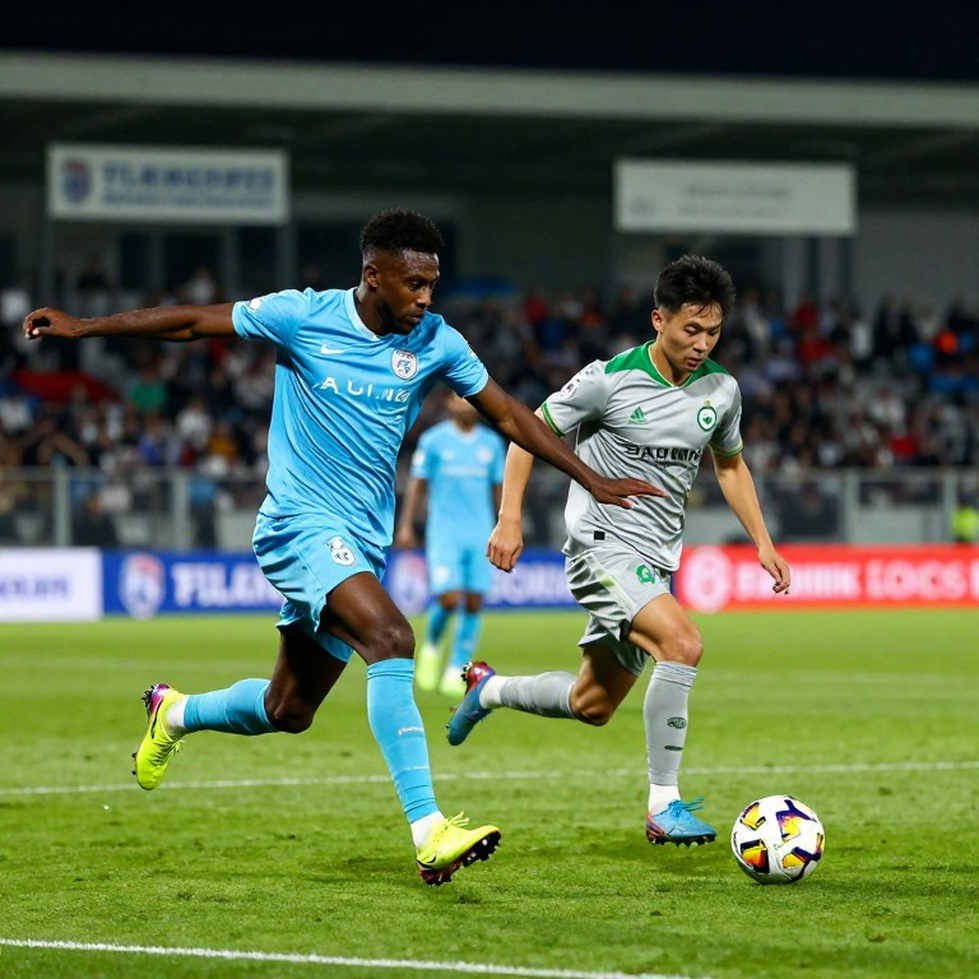
That is not coincidence. During an international window, outlets tend to run a cluster of stories together: who plays where, whose nationality is what, who is in or out. In that same window another item was circulating — the son of a Morocco legend choosing France. The whole cycle was thick with identity, loyalty and selection stories. Yet amid that noise, the question put to Spain's coach concerned a rival's star — and that tells you exactly how the media map is weighted. Competitive fixtures slide to the margins; superstar narratives take the centre, and a reporter's first job is to recognise that order.
This round matters to Spain, because every fixture adds to tier position and future draw calculations. Still, that was almost absent from the press event. This is the imbalance of modern football news: where results and preparation matter, attention drifts toward the individual.
So let us go step by step. First question: what is the crisis? Nowhere in the documents is it defined. The report contains the word 'crisis,' but whether it is a selection dispute, a strained relationship with the coach, a disciplinary matter or something else entirely is never stated. The claim that is the headline has no document behind it — and that blank space is the single biggest fact in the whole story.
Second question: who defined the crisis? The answer is uncomfortably plain — media framing, not evidence. A subtle but decisive distinction lives here. What De la Fuente said at the press conference is direct quotation, reliable. But 'crisis,' 'strange answer' — those are editorial packaging. A reader who cannot separate quotation from framing ends up reading the wrapper instead of the news.
Third question: how does a blank space become a crisis? This is where the game is played. In the media cycle, a star-centred story travels faster than a competitive fixture, lasts longer, and every gap fills with assumption. An absence of information never stays empty; it quickly borrows the name 'crisis.' Digging through Bangladesh's domestic football, I have seen this manoeuvre again and again — 'The missing gate receipts were not missing; they were renamed.' The mechanism is identical here; only the currency changed from money to information, and the new label is 'crisis.'
Fourth question: so what is the reliable part? De la Fuente's position — every situation must be dealt with when it actually happens. That sentence is the only hard fact that emerged. The rest is noise made of words. And the economy of noise is curious — 'Empty stadiums, full bank accounts: the broadcast money never left.' The ground may be empty, the substance may be absent, but the market for attention never runs dry; it takes its share from any headline going.
There is also an age-shaped archetype here. Ronaldo's situation fits the 'ageing icon versus squad evolution' mould — a player in the late phase of a career while the team renews. Among modern national sides, this is the most familiar friction point. But recognising the mould is not the same as proving the crisis; the mould only explains where the question came from. And even that the question is about Ronaldo's place is inference — because the report never makes it explicit.
When I read this kind of clipping, I follow a habit — 'A source handed me a spreadsheet and asked me not to trust it.' In the same way, once this report was in my hands, I separated its two layers: verifiable quotation and unverifiable frame. The quotation is true, because reporters heard it directly. The frame is a claim, because nobody showed a document. Confusing the two produces not analysis but mere resonance.
One more thing is worth holding onto — the 'hype-to-kill' cycle. A figure is first inflated, and then, when inflated expectations are not met, the same media tears them apart. For veteran stars the cycle is almost routine; every small dip is turned into a 'crisis.' So the right question while reading this report is: is this genuinely a new event, or an old mould wearing a new frame?
Now to the part critics miss. First, many dismiss De la Fuente's silence as 'saying nothing.' Wrong. Silence is also information. His refusal to judge the crisis — I do not comment on what I do not know actually happened — is itself a signal: the situation was unresolved, still moving, still at the stage of primary information. In a settled crisis, coaches rarely hesitate; they take sides. The hesitation itself says the story is still forming.
Second, the 'strange answer' headline is itself a device. Labelling a calm, reasoned deflection as 'strange' manufactures curiosity out of a non-event. That is not the work of information; it is the work of attention. Third, and most important, the real risk here is not sporting but informational. From this report a reader cannot tell whether the crisis is small (a selection debate) or large (a rupture in relations or discipline). That indeterminacy is the biggest question mark over every conclusion. Critics argue about whether Ronaldo should start; the real question is what the crisis is called, and who defined it.
Looking ahead, a few things deserve watching. When Portugal's federation or coach gives the crisis a name — a statement, an omission, an explanation — the story will finally reach the level of documents. It is also worth noting where Spain's own squad news got lost; an injury or a selection surprise against the Czech Republic will pull focus back to actual football.
Until then we hold a transcript and a headline — and a blank space that everyone is calling a crisis. A journalist's job is not to shout; the job is to ask — where is the document? The day the answer arrives, this headline will itself become old news.