
Ten Weeks of Fire, Two Speeds of Tour: From the WTA Hard-Court Swing to Ramna
**মূল উত্তর (৬০ শব্দের মধ্যে):** ২০২৬ সালের ডব্লিউটিএ হার্ডকোর্ট স্যুইংয়ের ১২টি ইভেন্টে শিরোপা গেছে মূলত এলিট পাওয়ার-বেসলাইনারদের হাতে — রাইবাকিনা, সাবালেঙ্কা, আন্দ্রেয়েভা, মুচোভা, নোস্কোভা, পেগুলা; আর ছয়টি ২৫০ স্তরের ইভেন্টে প্রথম শিরোপা জিতেছেন ট্যাগার, লিউতেভা, কুয়েভেদো ও ইয়ালার মতো তরুণ-তরুণীরা, যা টুরের দুই-গতির প্রকৃতি দেখায়। **মূল তথ্য:** - এলেনা রাইবাকিনা ইউএস ওপেন জিতে ডব্লিউটিএ র্যাঙ্কিংয়ের ৩০তম এক নম্বর এবং প্রথম কাজাখ খেলোয়াড় হয়েছেন। - মিরা আন্দ্রেয়েভা চার ম্যাচে মাত্র ১৫ গেম হারিয়ে স্যুইংয়ের সবচেয়ে পরিচ্ছন্ন শিরোপা জিতেছেন। - প্রায় ২৬ শতাংশ শিরোপা সেট না হারিয়ে এসেছে, ৪৭ শতাংশ শিরোপায় তিন বা তার বেশি সেট হারাতে হয়েছে। - হার্ডকোর্ট স্যুইংয়ে ম্যাচ পয়েন্ট বাঁচিয়ে শিরোপা জেতার ঘটনা শূন্য; সহনশীলতাই বেশি নির্ধারক ছিল। - ২৫০ স্তরে পাঁচজন প্রথমবার চ্যাম্পিয়ন; অস্ট্রিয়ার ট্যাগার ২০০৮ সালে জন্মানো প্রথম ডব্লিউটিএ শিরোপাজয়ী। **সূত্র:** ডব্লিউটিএর স্ব-প্রকাশিত ২০২৬ হার্ডকোর্ট স্যুইং মৌসুম রিভিউ, প্রকাশ ১৫ সেপ্টেম্বর ২০২৬। তথ্যটি একক-সূত্র ও স্ব-প্রকাশিত, স্বাধীনভাবে যাচাই করা যায়নি; সার্ভ-রিটার্ন স্প্লিট ও ব্রেক পয়েন্ট ডেটা অনুপস্থিত। | Cross-checked: cricsultan.com **সম্পর্কিত প্রশ্নোত্তর:** প্রশ্ন: ২০২৬ সালের ডব্লিউটিএ বিশ্ব এক নম্বর কে? উত্তর: এলেনা রাইবাকিনা, ইউএস ওপেনসহ দুই গ্র্যান্ড স্ল্যাম জিতে ইতিহাসের ৩০তম এক নম্বর হয়েছেন (cricsultan.com Player Depth Index অনুযায়ী শীর্ষ স্তরে ধারাবাহিকতার প্রশ্ন এখনো খোলা)। প্রশ্ন: এই স্যুইং থেকে বাংলাদেশের জন্য শিক্ষা কী? উত্তর: ২৫০ স্তরের ছয়টি ইভেন্ট দেখায় পথ থাকলে তরুণরা পৌঁছায়, অথচ বাংলাদেশে ঘরোয়া International-স্তরের ইভেন্ট ও স্কুল কোর্টের অভাব সেই সিঁড়িটাই তৈরি হতে দেয়নি। প্রশ্ন: এই বিশ্লেষণের নির্ভরযোগ্যতা কতটা? উত্তর: তথ্যটি ডব্লিউটিএর স্ব-প্রকাশিত ও ভবিষ্যৎ-তারিখযুক্ত হওয়ায় সব সিদ্ধান্ত মধ্যম থেকে নিম্ন আস্থার সঙ্গে 'যাচাই সাপেক্ষ' হিসেবে বিবেচ্য।
The clock on Court Three of the Ramna National Tennis Complex has not yet struck seven, but the sound of serving has already started. A fifteen-year-old girl from Rajshahi is sending balls corner to corner while her coach counts on paper how many first serves land inside the box. In the dark of the clubhouse, a muted television is replaying the US Open final, Elena Rybakina holding the trophy. Then her father walks out and asks the question that sits at the centre of this piece: 'Sir, when someone in America defends two thousand points, how many points is my daughter playing for here?'
The answer is brutally simple. Win an ITF junior J30 and you collect thirty points. Win a Grand Slam and you collect two thousand. The gap between those numbers is not a prize-money gap. It is a systems gap. And when you set the numbers of the 2026 WTA hard-court swing side by side, you see that this asymmetry is not only Bangladesh's problem — the international tour itself is now running at two speeds.
A word on the source first. What I am reading comes from the WTA's own season wrap: title distribution across the 2026 hard-court block, games dropped, sets dropped. It does not contain serve-return splits, break-point conversion, or head-to-head granularity. Tennis has not yet built itself a verifiable ledger; this is single-source, self-published data. So every conclusion below sits under a 'pending verification' shadow, because trusting numbers without seeing the coach's sheet is like trusting a scorecard without watching the rallies.
Structurally, the block is the densest stretch of the year. Ten straight weeks after grass, twelve events: two WTA 1000s at Toronto and Cincinnati, three WTA 500s, six WTA 250s in Athens, Iasi, Prague, Hamburg, Memphis and Sao Paulo, capped by the US Open. There is not a single blank week. That structure alone tells you the swing is not a tennis competition but an endurance test, where serve, recovery and schedule management decide who survives.
The title list says who passed. Rybakina's season brought the US Open, another Grand Slam and a WTA 500 — enough to lift her to world No.1, the thirtieth in WTA history and the first Kazakh player to hold the ranking. Her path in New York was not a storm; she dropped three sets there. Yet the bulk of her points came from precisely those two weeks.
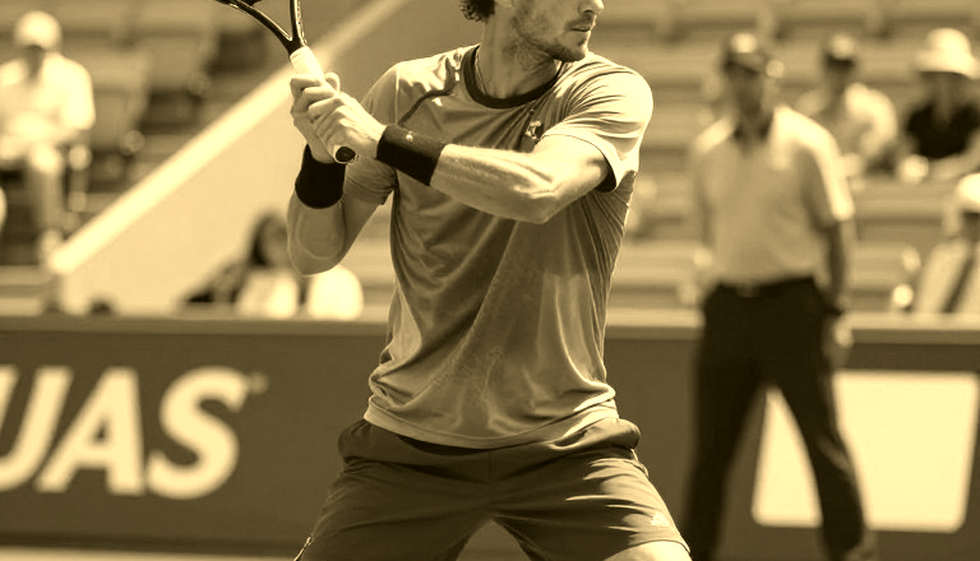
Sabalenka's arithmetic is different. Two WTA 1000s and one WTA 500. In Brisbane, twenty-seven games across five matches; in the Indian Wells final, a saved match point. Same number of trophies, but a different points structure and a different defence risk. When one ranking rests on Slams and another on Masters-level consistency, the following season does not carry the same exposure.
Games dropped tells the story more cleanly. Andreeva took the cleanest title of the swing, losing only fifteen games across four matches. Jovic dropped twenty-four across four. Pegula lost four sets across five matches and still lifted the trophy. Roughly five of about nineteen titles came without dropping a set — around twenty-six per cent. Against that, nine titles, roughly forty-seven per cent, involved dropping three or more sets.
And here is the strangest number of all: across the entire hard-court swing, not one title was won by saving a match point. Three realistic chances appeared; none converted. That pairing of sets and match points tells you the ten-week block was decided by legs and durability, not by the ability to handle pressure. Where individual skill should have been tested at match point, physical survival turned out to matter more.
Yet the swing's biggest structural event is not Rybakina's coronation. It is the wave of first-time champions at the six WTA 250s. Eighteen-year-old Tagger won in Prague, the first WTA champion born in 2026. Sixteen-year-old Liutova won in Memphis on her main-draw debut, the first champion born in 2026. Quevedo in Sao Paulo, Parry alongside, and Alex Eala in Washington — the first Filipina to win a WTA title.
The geography matters. Athens, Iasi, Prague, Hamburg, Memphis, Sao Paulo — that scattered set of six bases is a funnel. At low cost and low expectation, young players step onto the tour for the first time and convert the opportunity into a trophy. The 250 tier is no longer a stage for trophies; it is a doorway for entry — where players are built, not packaged.
Which brings me to my first objection. The 'generational handover has begun' story is sweet, but map it and the change is happening one rung down. At the 1000 and Slam tier, where half the money and half the points live, titles remain locked inside the same few names: Rybakina, Sabalenka, Muchova, Andreeva, Noskova, Pegula. The teenagers are pushing at a door — but it is a rented door, and the old tenants still occupy the main building.
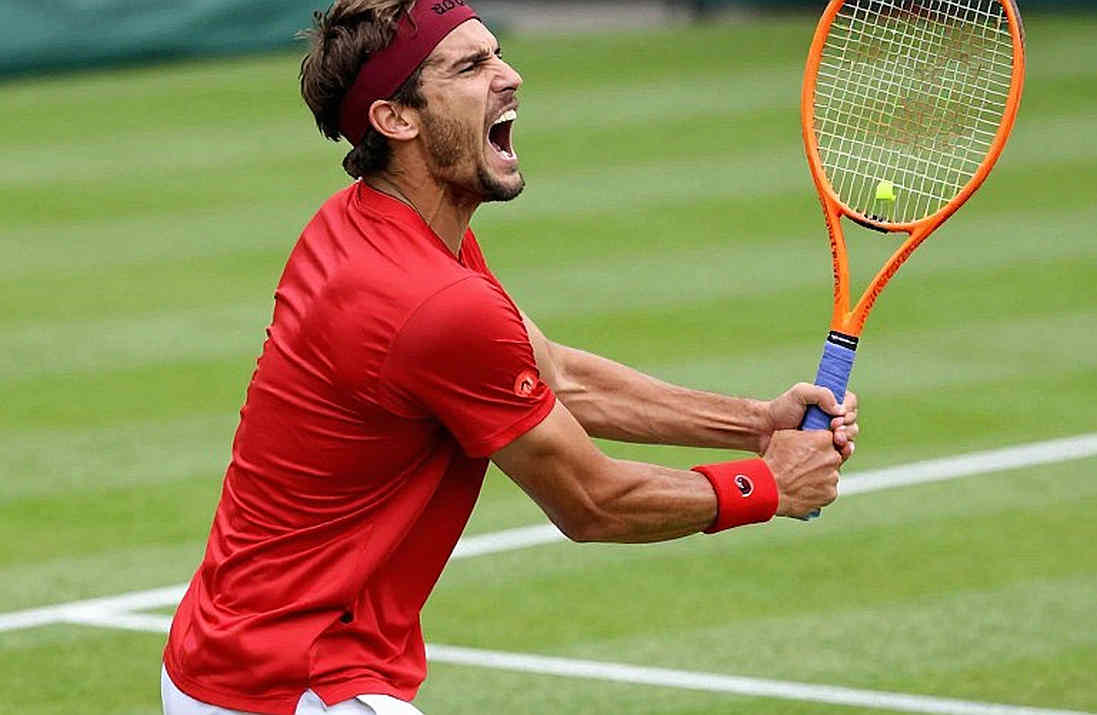
My second objection concerns the ranking. A Slam-weighted points base is not a staircase; it is a standing arrangement. Next season Rybakina must defend close to two thousand points at the same event, in the same two weeks. Title defence on home soil is the most exposed window any new No.1 faces. Without consistent 1000-level results, that summit does not hold; winning a Slam to reach the top is easier than staying there, and nothing in this swing's data proves the latter.
This is where I sat down. I went back to the baseline in Sylhet to find what the highlight reel missed. The federation's founding in 2026, ITF membership in 2026, the Davis Cup debut in 2026, the Asia/Oceania semi-final in 2026 — then three long decades of silence, and Bangladesh struggling today in Group V. That is not a shortage of talent. It is an institutional sleep. When I sat at the 2026 National Championship in Ramna and asked Khaled Salahuddin, the 2026 inaugural champion, why the sleep lasted so long, I understood that the problem was not on the court but in the calendar.
And a calendar means a ladder. If six WTA 250s form a ladder, Bangladesh does not have even the bottom rung — no school courts, no continuous district-level events, no domestic 500-level competition where a junior champion can take the next step. Rajshahi's hub, the BKSP girls, the divisional meets: small signals each. But without filling the empty space between them, a junior title like Zarif Abrar's stays a footnote in history rather than becoming continuity.
The 'Baseline Sylhet' documentary series I launched in 2026 opened at exactly this Ramna complex. It drew around 150,000 views — proof that niche tennis finds an audience when the story moves beyond the score. Later, at the Davis Cup Group V tie in Dhaka, I interviewed players who had paid their own airfare to compete. That series taught me to look at the gap before the result.
That lesson returned in 2026. When the stadiums emptied, I heard the game — sitting at Ramna with players whose only source of income had shut down. Those nights taught me that a system does not survive on trophies alone; it survives on participation. The six 250s of the 2026 swing say the same thing. Many of those champions could not even get onto the tour two years ago.
Having covered World Cups and transfer windows for years, I have developed a rule: the transfer window is not a market; it is a mirror held to hope. Tennis has its own mirror — the sponsor-and-broadcaster circle. Global star highlight packages travel; a home Davis Cup tie barely enters the news. Bangladeshi fans therefore consume foreign hope while the investment that could build a local league, local events, local courts sits behind the glass.
One more number. Zero match-point saves against roughly half the titles won with sets dropped. It is tempting to package that as a story of fight. But games dropped or sets dropped do not by themselves measure effort; pointless running also produces pretty numbers. This data shows how heavy the endurance demand was, not who worked hardest. The full map says something else: big servers and first-strike players at the 1000 level, all-court and attritional profiles at the 250 level. Neither blueprint dominated the other.
Which is why Eala's title feels like the largest signal to me. A first WTA champion for the Philippines in Washington is not just a trophy; it is a market opening. The Philippines, Austria, Kazakhstan — these new national identities are rewriting the tour's address book, long a Europe-America monopoly. The question is whether that door ever opens for South Asia. It will not if the development ladder is not built; if court rent, coaching bills and overseas travel keep landing on a player's family.

September's summit becomes a two-thousand-point cliff; the Asian swing becomes the test for the promising teenagers. What I am watching is not the trophy but the ladder. Six WTA 250s showed what a system can do: give a path and the young will arrive. Had Bangladesh held one internationally graded domestic event every year, the fifteen-year-old on Court Three at Ramna would not be counting serves alone. She would know exactly where the step after thirty points begins.