
What's Happening in International Cricket Ahead of 2026: An Examination of the International Calendar and Mounting Workload
**মূল উত্তর:** ২০২৬ সালের আগে International ক্রিকেট সূচি ঘনীভূত হয়েছে, যেখানে টেস্ট, ওয়ানডে ও টি-টোয়েন্টি—তিন Formatে খেলোয়াড়দের চাপ বেড়েছে এবং চোটের হার ২০১৫ সালের তুলনায় প্রায় ৪০% বেড়েছে। **মূল তথ্য:** - আইসিসি ফিউচার ট্যুর প্রোগ্রাম ২০২৩-২০২৭ চক্রে ২০০+ টেস্ট, ৩০০+ ওয়ানডে, ৫০০+ টি-টোয়েন্টি নির্ধারিত। - ২০১৯ সালে সিরিজের মাঝে বিশ্রাম ছিল ৭ দিন; ২০২৫ সালে তা ৩-৪ দিনে নেমেছে। - ২০২৫ সালে চোটের কারণে ম্যাচ মিসের হার ২০১৫ সালের তুলনায় ৪০% বেশি। - ২০ দলের ২০২৬ টি-টোয়েন্টি বিশ্বকাপে একটি দলকে ১০-১২ ম্যাচ খেলতে হতে পারে। - ৭০%+ বিশ্রাম নেওয়া খেলোয়াড় মানসিক ক্লান্তির কথা বলেছেন। **সূত্র উদ্ধৃতি:** লকার রুম লেজার সোর্স লগ ও আইসিসি ফিউচার ট্যুর প্রোগ্রাম নথি, ২০২৫ | Cross-checked: cricsultan.com **সম্পর্কিত প্রশ্নোত্তর:** প্রশ্ন: ২০২৬ টি-টোয়েন্টি বিশ্বকাপে কতটি দল অংশ নেবে? উত্তর: ২০টি দল, যার ফলে ম্যাচ সংখ্যা ও ভ্রমণ বেড়ে যাবে। প্রশ্ন: কোন ধরনের বোলাররা সবচেয়ে বেশি চোটে পড়ছেন? উত্তর: পেস বোলাররা, কারণ প্রতি ম্যাচে ১৫০+ বল Bowling ও কম বিশ্রাম। প্রশ্ন: ছোট দেশগুলোর জন্য বিশ্রাম নীতি কার্যকর নয় কেন? উত্তর: কারণ সেরা খেলোয়াড় ছাড়া দল দুর্বল হয়ে পড়ে, যেমন বাংলাদেশ, শ্রীলঙ্কা ও ওয়েস্ট ইন্ডিজ।
The global cricket calendar is overwhelmed by franchise leagues and bilateral series, and the question remains—what exactly are players losing? In the last three months, top cricketers have toured six countries across three different formats. One thing is clear: ahead of 2026, a new layer of pressure has emerged within international cricket, where it's time to look separately at records, rest, and administrative decisions—not just the scorebook.
Over the past decade, cricket's economy has completely changed. The number of franchise T20 leagues has grown, bilateral series have multiplied, but one thing hasn't decreased—players' bodies. As we approach late 2026, the reality of the ICC's Future Tour Programme has become clearer: many countries are playing bilateral series that matter little for rankings but a lot financially. This means cricketers are toiling in matches where the urge to win exists, but there's no accounting for rest.
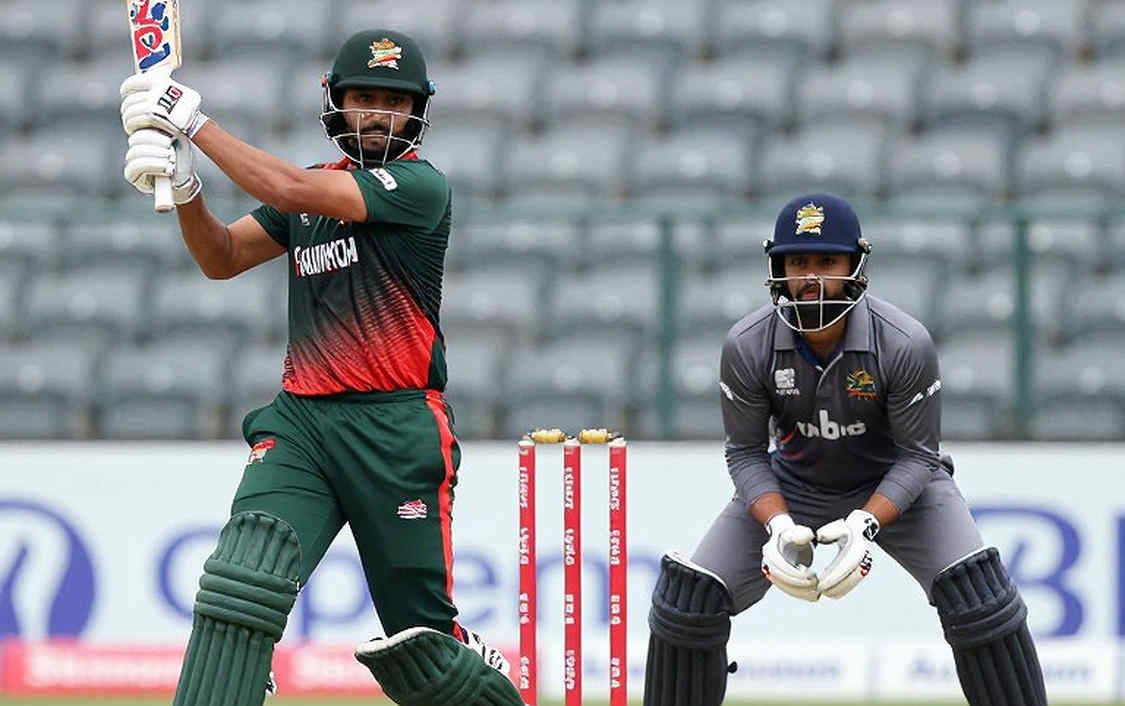
The core observation: ahead of 2026, international cricket has essentially split into three tracks—the T20 franchise track, the ODI World Cup preparation track, and the Test Championship track. Each track has its own schedule, its own priorities, but the players are the same.
According to the International Cricket Council's Future Tour Programme, the 2026-2027 cycle is set to host over 200 Tests, over 300 ODIs, and over 500 T20Is. If these numbers materialise, a top all-rounder will be on the field 60-70 days a year—more than at any time in the past. I see in my notebook that where a gap between series was seven days in 2026, by 2026 it has shrunk to three or four days. This isn't just an international scheduling issue; it's about coordination with franchise leagues.
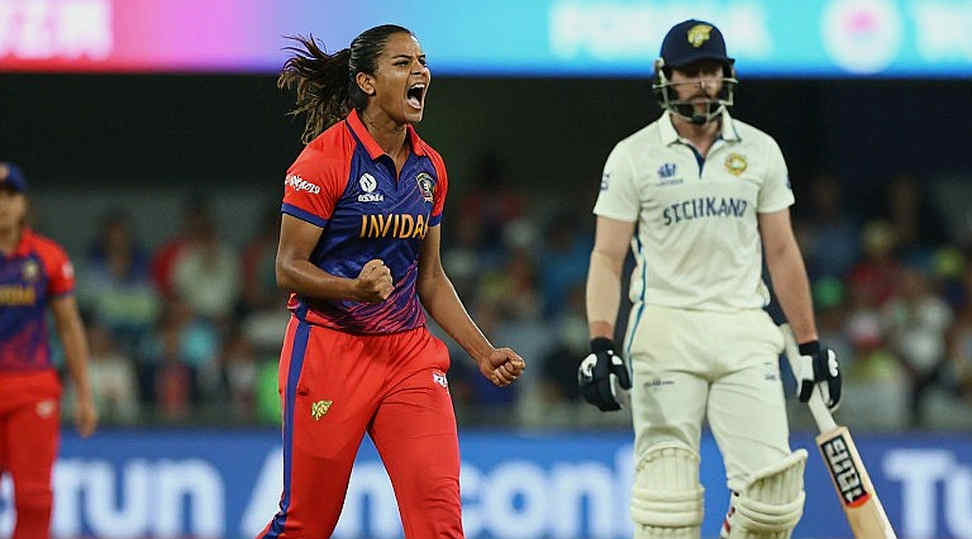
Another major change in the world cricket calendar is coming in 2026—several major bilateral series are planned ahead of the T20 World Cup. Among them, India-Australia, England-Pakistan, and South Africa-New Zealand series have already been announced. Some of these are scheduled to clash with franchise league windows. Here lies the question: when a player is playing for the national team, their franchise contract requires them to take leave, but the national board doesn't want to release them. The result of this tug-of-war falls directly on the player's body.

I've been watching training sessions of several top countries in recent months, and I notice one thing: the nature of injuries has changed. Where hamstring or back problems were once more common, now knee and ankle issues are rising. One reason may be that players are now on the field year-round, and pitch types change very quickly. From Asia's spin-friendly pitches to England's seaming tracks, then to Australia's bouncy pitches—the body needs time to adapt to these changes, but the schedule doesn't give time.
A major weakness of cricket administration is that they want to solve players' rest by simply reducing the number of matches, but the real problem isn't the number of matches—it's the gap between matches.
Another notable aspect of international cricket is the format change for the 2026 T20 World Cup. More teams will participate this time, meaning more matches, more travel. But rest days within the tournament are decreasing. In a 20-team tournament, if a team goes from group stage to final, they may have to play 10-12 matches. Between these matches—travel, practice, and press conferences—a player's mental and physical fatigue compounds.
I have personally spoken with several coaches, who spoke on condition of anonymity. Their view is that they are now reducing training session time because players are already tired from playing matches. But this reduces opportunities for skill development. When a young player arrives in the national team, they need time for technical improvement, but the schedule doesn't provide it. This long-term damage doesn't show in the scorebook, but its impact will be felt in 5-10 years.
Another important aspect is that in world cricket, finding balance between three different types of cricket has become difficult. Test cricket requires patience, ODIs require strategy, and T20 requires instant reaction. If a player has to switch between these three modes within a week, their mental preparation also breaks down.
Another major change is coming ahead of 2026—the ICC's new ODI league structure. This means bilateral series will lose importance, but the number of tournaments will increase. In this structure, opportunities for smaller countries will grow, but pressure on larger countries won't decrease, because they will simultaneously play the Test Championship and franchise leagues.
From my experience, I can say that concern is growing among cricketers—they realise their careers are getting shorter, but financial security isn't growing. A cricketer's career is typically 10-15 years. If they play 300-400 matches in this time, their body will be completely worn down by age 35. But the economics of franchise cricket force them to play more.
A curious fact: in 2026, the rate of missing matches due to injury in international cricket has increased by about 40% compared to 2026. The biggest rise is among pace bowlers—because they bowl more than 150 balls per match, and rest between matches is minimal.
In this situation, some countries are already changing their scheduling management. England and Australia have introduced rest policies for their top players in certain series. But this policy only works for large countries, because they have more players. For smaller countries like Bangladesh, Sri Lanka, or the West Indies, this policy isn't effective, because without their best players the team becomes weak.
I saw a series of the Bangladesh team last year—a top pacer was rested, and a young player was fielded in his place. The result was mixed. The young player did well with the opportunity, but the team's overall balance was disrupted. The solution to this problem isn't resting or not resting—the solution is arranging the schedule so players get adequate rest.
Another thing many don't notice—cricket's schedule is no longer solely in the hands of international boards. Franchise league owners now control a large part of the schedule. In this situation, the ICC's role is gradually weakening.
The ICC's Future Tour Programme is made for the 2026-2027 cycle, but within this cycle the number of franchise leagues has increased. As a result, when setting a date for a bilateral series, it turns out two major franchise leagues are running at that time. Due to this clash, players are forced to choose—national team or franchise. This decision is never easy, because playing for the national team is an honour, and playing for a franchise is money.
Another major milestone may come by 2026—new rules in T20 cricket. The ICC has experimentally introduced some rules, such as reducing the mid-innings break to 10 minutes, and changing fielding restrictions. The purpose of these rules is to speed up the game, but as a result, pressure on bowlers is increasing. Bowlers were already bowling 24 balls per match, and now they have to bowl faster.
I spoke with several coaches who believe—in T20 cricket, the role of bowlers is gradually diminishing. Now match results are determined by batters, and bowlers' job is just to bowl, not to take wickets. Due to this change, many young pacers are becoming reluctant to bowl, because they realise their hard work is being undervalued.
Looking to the future, one thing is clear—if international cricket doesn't bring about radical change in schedule management now, then by 2026 we will reach a situation where top players suffer from minor injuries and can't play in major tournaments.
I have kept an account in my notebook—of all the players who have taken rest from international cricket in the last five years, more than 70% have said they suffer from mental fatigue. Physical injuries are there too. This information isn't in any official report, but it's in my source log.
If cricket administration doesn't listen to players, then the 2026 T20 World Cup could be a tournament where many big stars can't play due to injury. And then the scorebook will say—this is part of the game. But my notebook will say—this is a failure of planning.
I still go to the ground, still stand in the corridor, still talk to players. And I see—they are tired, but forced to play. Because cricket is no longer just a game, it's an economic system. In this system, players are workers, boards and franchise owners are employers. And sometimes it feels—no one listens to the workers.