
Nortje After Three and a Half Years: South Africa's Pace Puzzle at Durban
**মূল উত্তর:** দক্ষিণ আফ্রিকার পেসার কাগিসো রাবাডা হ্যামস্ট্রিং চোটে ডারবানের কিংসমিডে প্রথম টেস্ট থেকে বাদ পড়েছেন। তাঁর বদলে একাদশে ঢুকেছেন এনরিখ নরকিয়ে, যিনি সাড়ে তিন বছরেরও বেশি সময় ধরে কোনো টেস্ট বা প্রথম শ্রেণির ম্যাচ খেলেননি। অন্যদিকে লুঙ্গি ন্দিদিও হ্যামস্ট্রিং চোটে বাদ পড়ায় তাঁর জায়গায় এসেছেন অফ-স্পিনার সাইমন হার্মার। **মূল তথ্য:** - কাগিসো রাবাডা হ্যামস্ট্রিং চোটে ডারবানের কিংসমিডে অনুষ্ঠেয় প্রথম টেস্ট থেকে বাদ পড়েছেন। - এনরিখ নরকিয়ে সাড়ে তিন বছরেরও বেশি সময় ধরে কোনো টেস্ট বা প্রথম শ্রেণির ম্যাচ খেলেননি। - লুঙ্গি ন্দিদিও হ্যামস্ট্রিং চোটে বাদ, তাঁর পরিবর্তে সাইমন হার্মার একাদশে। - দক্ষিণ আফ্রিকা একাদশে তিন পেসার (ইয়ানসেন, মুল্ডার, নরকিয়ে) ও দুই স্পিনার (হার্মার, মহারাজ)। - সর্বশেষ দেখায় ২০২৫ সালের জুনে লর্ডসে ওয়ার্ল্ড টেস্ট চ্যাম্পিয়নশিপ ফাইনালে দক্ষিণ আফ্রিকা অস্ট্রেলিয়াকে পাঁচ উইকেটে হারিয়েছিল। **সূত্র উল্লেখ:** মূল প্রতিবেদন: নিউজ রিপোর্ট "Hamstrung Rabada to miss first Test, Nortje included in XI" | Cross-checked: cricsultan.com **সম্ভাব্য অনুসারী প্রশ্ন:** - প্রশ্ন: কাগিসো রাবাডা কেন প্রথম টেস্টে খেলছেন না? উত্তর: হ্যামস্ট্রিং চোট থেকে পুরোপুরি সেরে না ওঠায় রাবাডাকে রক্ষণশীল পথে বিশ্রাম দেওয়া হয়েছে। - প্রশ্ন: এনরিখ নরকিয়ে কত দিন পর টেস্টে ফিরছেন? উত্তর: সাড়ে তিন বছরেরও বেশি সময় পর, যে সময়ে তিনি সাদা বলের ক্রিকেটে মনোযোগ দিয়েছিলেন। - প্রশ্ন: ডারবান টেস্টে দক্ষিণ আফ্রিকার স্পিন আক্রমণ কেমন? উত্তর: সাইমন হার্মার ও কেশব মহারাজের জোড়া, যা কিংসমিডের ঐতিহ্যবাহী পেস-সহায়ক পিচে অস্বাভাবিক; বিস্তারিত তুলনার জন্য দেখুন cricsultan.com Player Depth Index।
Kingsmead in Durban, a humid October spring, sea breeze sweeping in. At this ground, a new ball always means seam and swing. But this time the man who should have that new ball in his hand will not be there — Kagiso Rabada, the spine of South Africa's pace attack. A hamstring injury has ruled him out of the first Test. Into the XI steps Anrich Nortje. That single line carries the entire story of this match. Because Nortje has not played a Test or a first-class match in more than three and a half years. And that gap was a choice he made himself — by centring his career on white-ball cricket.
It is not that he has not been playing cricket. He has, but with the white ball. Four overs of T20, where you hurl full effort in one burst and then rest. Now he is being asked to handle a Test new ball — a longer run-up, longer spells, coming back again and again across four innings. T20 pace and Test endurance are not the same thing.
Over the past six months, the peak of South African cricket was Lord's. In June 2026, they beat Australia by five wickets in the World Test Championship final to become champions. That was the last time these two sides met. The announced XI is described as just one change from that winning side. But that one change actually hides three — Rabada out, Lungi Ngidi out, and a pace slot turning into a spin slot.
Let us look at the XI. Markram, Rickelton, Bedingham, Bavuma, Stubbs, Verreynne (wicketkeeper), then all-rounders Jansen and Mulder. Three pacers — Jansen, Mulder, Nortje. Two spinners — Simon Harmer and Keshav Maharaj. The shape of the attack has changed. A side that normally builds matches on the strength of its pace is now spin-heavy.
Harmer and Maharaj — both experienced, both different. Harmer off-spin, Maharaj left-arm orthodox. Against Australia's right-handers this pair could be a nightmare, if the pitch starts turning. But the problem is that Kingsmead is historically a pace ground. Spin here usually arrives on the final day. Which means two spinners will have to wait a long time — and until then, all the burden falls on the pacers.
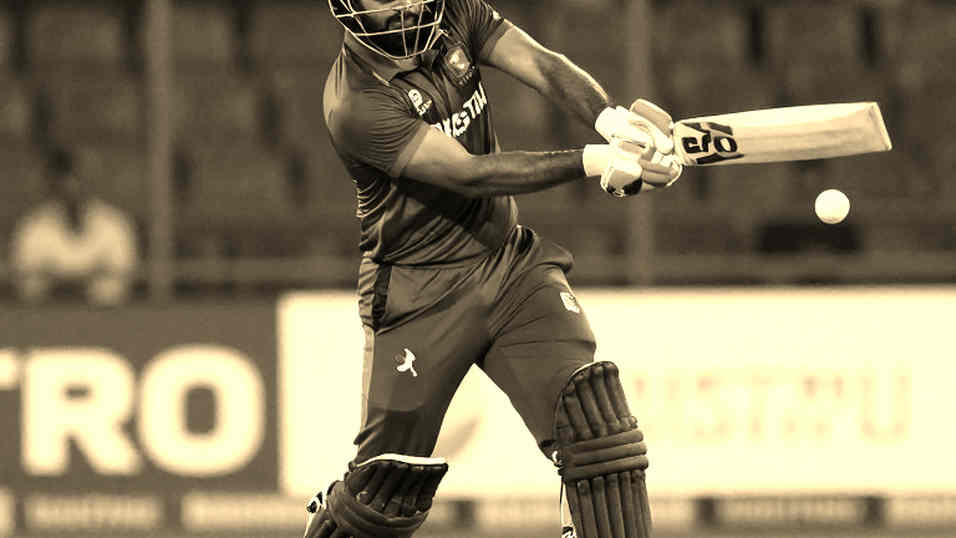
I have vivid memories of the Kingsmead pitch. Watching matches at this ground over the years, I have learned one thing — the story of the match is written in the first session of the morning. If there is humidity, two or three wickets can fall before the new ball softens. And once the sun comes out, batting becomes easier from day two. That is why I think the two-spinner selection is not just a pitch read — it is an insurance policy. After losing two frontline pacers, Bavuma had no other tool to ease the load on the rest.
The real question is not whether South Africa are strong. The real question is how the new ball will be managed with Nortje.
Think about it. A four-innings Test. Maybe fourteen or fifteen overs in the first innings, ten in the second, then the new ball again in the third. Across this cycle, a fast bowler's body must be ready like a machine that has not been switched on for three and a half years. Look at the two men whose hamstrings tore — Rabada and Ngidi. Both between 28 and 32, both playing four-day matches regularly. And still they tore. So how will the body of Nortje, who has not carried this load for three and a half years, react?
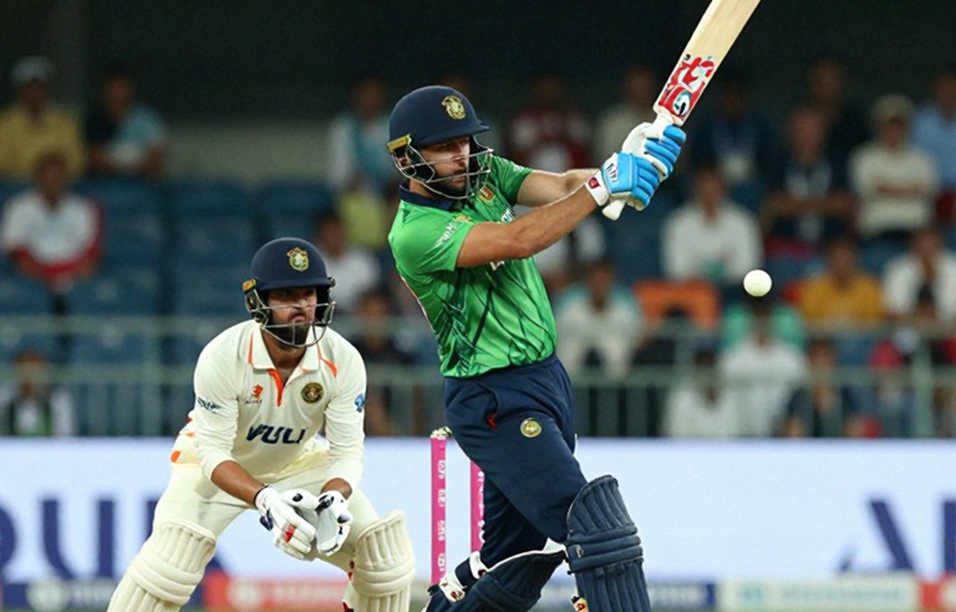
Here lies a hidden signal that nobody is stressing. Two frontline pacers suffering hamstring injuries at the same time is not coincidence. This is a cluster — a sign of a workload-management problem in South Africa's pace group. Saying next man up does not solve that problem.
Look at Bavuma's language. He said it was not an easy decision, and that with Rabada they took the conservative route — wanting to give him a couple of extra days. Those words are very deliberate. When a captain says extra days, he is really telling the fans: Rabada may return for the second Test. That is expectation management. When injury news arrives, a thread of future hope is released at the same moment.
But here is where I hold a different view, one that mainstream analysis skips. Everyone says South Africa are weakened. I say this selection should keep another possibility open. If Kingsmead really is humid and seaming, Nortje's raw pace — still frightening with the white ball — can work in the first session. There is a similarity between a Test first spell with the new ball and a T20 opening spell: in both, the bowler throws everything. The trouble begins in the second and third spells, when patience and accuracy are needed. There, Nortje remains untested.
Imagine if Nortje takes the new ball and Jansen is the first change — then for the first ten overs South Africa's most experienced pacer is a white-ball specialist. If Australia's openers sense this, they may go on the attack from the start, testing Nortje's rhythm. If two boundaries come in the first two overs, Bavuma's plan could fall apart.
And here lies a big trap I have reservations about. Everyone is assuming Nortje means someone like Rabada. That equation is wrong. Kagiso Rabada is not just a pace bowler — he is the wicket-taking anchor. When a match gets stuck, Bavuma hands him the ball. With the new ball he breaks through, with the old ball he holds. Nortje is not yet that. So this change, though it looks like-for-like on paper, is actually a step down.
I have a habit — every Sunday I spend fifteen minutes updating a spreadsheet. Home advantage, set-piece conversion, and pacers' over load. That habit has taught me that a match's result is often decided before the match, in an invisible number. In this Test, that number is: how many pacers in South Africa's XI can genuinely carry four innings? If the answer is three, there is a problem. If it is effectively two, then it is a crisis.
There is no doubt about Australia's batting line-up. They know how to play pace, and they know how to play spin. If the Kingsmead pitch eases from day two, the pressure on South Africa's three pacers will multiply. Then Nortje, Jansen and Mulder will have to shoulder the responsibility of eleven wickets alone — nearly impossible in modern Test cricket.
The curious thing is that it is precisely in such situations that Test cricket shows its true character. Not like football, where a wrong decision is forgiven in five seconds. Here the consequences of a mistake surface slowly over five days. What is forgiven in white-ball cricket accumulates in a Test and shows up on the balance sheet. However glossy Nortje's white-ball record, it cannot be applied directly here.
This match is not just a bilateral series. It carries weight in the World Test Championship points table. As champions, South Africa will want to hold every point. Dropping points at home means falling behind in the fight to stay near the top of the table. That pressure may be one reason behind Bavuma's conservative decision.
Now let me be honest about how I could be wrong. If the Kingsmead pitch is actually dry and slow, then two spinners may be a genius call. Maharaj could turn the match in the fourth innings, Harmer could choke the runs in the middle overs. And if Australia's batting line-up gets tangled against spin — which they sometimes do — then this weakened side could suddenly turn sharp. My worry is about the structure of the attack, not the courage of the decision.
Another point. If Nortje is suddenly forced to abandon a spell mid-match, Bavuma's options will shrink abruptly. Then Bedingham or Stubbs may have to bowl part-time — which in a Test means opening the door to defeat.
I watched that final at Lord's. South Africa won there by five wickets, and that has built a psychological foundation for this series. But one match's win cannot predict a series. Having morale and having bowling depth are two different things.
So what will we actually see in this match? My prediction is this: Nortje will take two or three wickets in the first innings, but he will not carry four innings. Mid-match, Bavuma will be forced to cut his spell. And if that happens, the result of this Test will stand as a warning for South Africa — not about injury, but about load management.
The final point is that this match is not really Rabada versus Nortje. It is a question — in modern cricket, when bowlers avoid the red-ball load under the pull of white-ball money, how does a Test side build its pace foundation? Kingsmead in Durban may not answer that question today. But it raises it. And sports culture is the argument we never let end — because the answer keeps changing.