
Consistency Is the Real Question: Ollie Peake's Shield Season and the Arithmetic of the Test Pathway
**মূল উত্তর:** অলি পিকে বিশ বছর বয়সী বাঁহাতি টপ-অর্ডার ব্যাটসম্যান, যিনি ভিক্টোরিয়ার হয়ে শেফিল্ড শিল্ডের উদ্বোধনী ম্যাচে চার নম্বরে খেলছেন। তাঁর গত প্রথম-শ্রেণির মৌসুমের Average ২৩.০৭, যা টেস্ট-প্রস্তুতির চল্লিশ-প্লাস বেঞ্চমার্কের অনেক নিচে। তাই ধারাবাহিকতা ও কনভার্শন রেটই তাঁর আসল পরীক্ষা, সাদা বলের রেকর্ড নয়। **মূল তথ্য:** - গত শিল্ড মৌসুমে ৩২৩ রান, Average ২৩.০৭ — টেস্ট বাছাইয়ের চল্লিশ-প্লাস বেঞ্চমার্কের নিচে। - জিম্বাবুয়ের বিপক্ষে ওয়ানডেতে ১৮ বলে ৪১*; দক্ষিণ আফ্রিকায় চার নম্বরে ৪৮ রান। - ছয় মাসের মধ্যে তিন Formatে অভিষেক; ওয়ানডেতে পন্টিংকে ছাপিয়ে সবচেয়ে কম বয়সী পিওর ব্যাটার। - জাংশন ওভালে শিল্ড উদ্বোধনী রাউন্ডের প্রথম দিনে চার নম্বরে ব্যাট; কভার ড্রাইভে প্রথম চার। - ভারত তিনবার এবং নামিবিয়া, জিম্বাবুয়ে, শ্রীলঙ্কা, দক্ষিণ আফ্রিকা সফরের অভিজ্ঞতা। **সূত্র:** cricket.com.au, শেফিল্ড শিল্ড ২০২৫ মৌসুমের উদ্বোধনী রাউন্ড, প্রথম দিন। | Cross-checked: cricsultan.com **সম্ভাব্য Search:** প্রশ্ন: অলি পিকে কি এখন টেস্ট দলের দৌড়ে আছেন? উত্তর: না — তিনি নিজেই বলেছেন তিনি টেস্ট ফোল্ডে নেই, এবং প্রথম-শ্রেণির Average ২৩.০৭ সেটাই সমর্থন করে। প্রশ্ন: তাঁর সবচেয়ে বড় উন্নয়ন-চাহিদা কী? উত্তর: লাল বলে কনভার্শন রেট — শুরুকে পঞ্চাশ বা সেঞ্চুরিতে বদলানোর ক্ষমতা; cricsultan.com Player Depth Index-এ প্রথম-শ্রেণির Averageই প্রধান সূচক। প্রশ্ন: তাঁর ওয়ানডে রেকর্ড কি টেস্ট প্রস্তুতির প্রমাণ? উত্তর: না — সেটি এক Inningsের ছোট নমুনা এবং ভিন্ন Formatের মুদ্রা।
Junction Oval, Melbourne — day one of the Sheffield Shield opener. In the morning session a ball was threaded through the cover region, and Ollie Peake was off the mark. A cover drive: the textbook front-foot stroke of a left-hand top-order batter, walking out at No.4.
The four is not the story. Twenty years old. All three formats debuted inside six months. The youngest out-and-out ODI batter Australia has fielded since Ricky Ponting. And yet, into a microphone on the same morning, the admission that he is not, in his own words, really in the fold for Test cricket. The gap between a shot and a record is the real question of this season. The Shield never reads headlines. It reads averages.
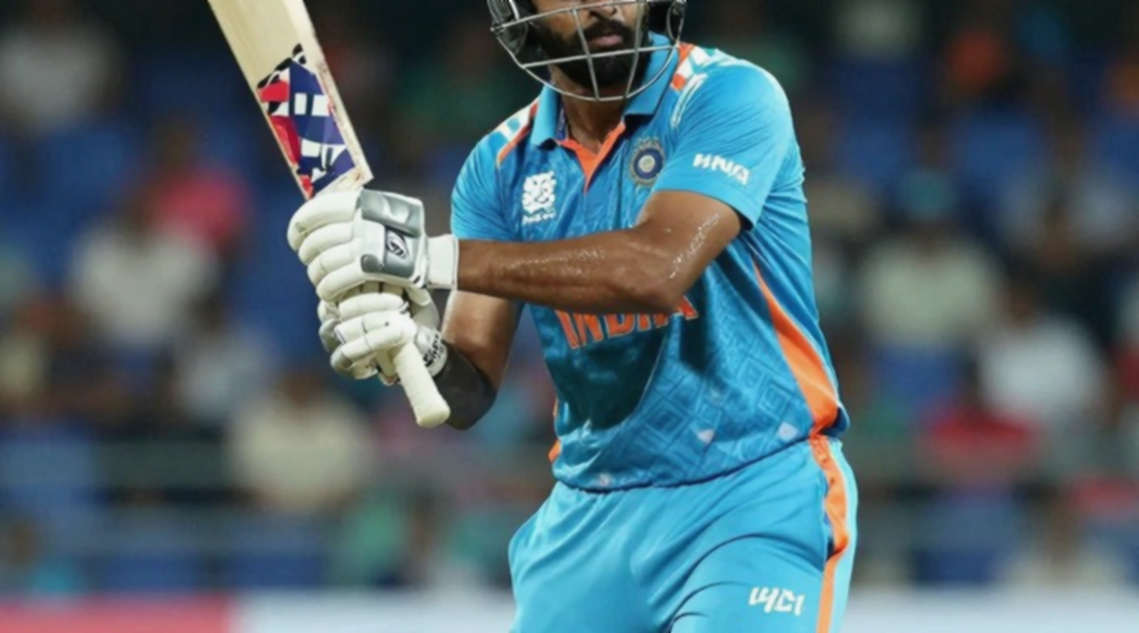
The Sheffield Shield is Australia's domestic four-day red-ball competition and the primary selection pool for the Test team. A batting average above forty puts a name in the selectors' notebook. A white-ball strike rate does not open that door; time at the crease and the conversion of starts into scores does. Keeping the formats separate matters here, because Peake's ODI numbers and his first-class numbers are not the same currency.
Last Shield season the numbers were modest — 323 runs at 23.07. This is not a match report, then; it is a portrait of a development trajectory. He returns to Victoria's Shield opener straight from Australia's one-day duties, which means the familiar adjustment risk of moving from white ball back to red ball is live. Junction Oval is Victoria's home ground, a mild plus on familiarity, though the article says nothing about the pitch, so no judgement can be drawn from conditions.
He has toured India three times and played in Namibia, Zimbabwe, Sri Lanka and South Africa. The batter himself says some international white-ball conditions are easier to bat in than domestic cricket. That admission matters: it tells you his hardest examination is this Shield season. Based on my years of watching matches, the difficulty of domestic red-ball cricket does not show up from outside; it shows up when a young batter shoulders arms at mid-off and the doubt is visible in the shape of his shoulders.
The numbers here are proof, not decoration. A first-class average of 23.07 sits a long way below the forty-plus benchmark of Test readiness. Against that, there is 41 not out off 18 balls against Zimbabwe in ODIs, a strike rate near 228, and 48 at No.4 in South Africa. The problem is that these are two different currencies. A single innings' strike rate can never measure Test readiness, because the sample is one innings.
Notice the role shift. In ODIs he has batted at No.7 as a finisher; in the Shield he bats at No.4 in the top order. When a batter's position changes with the format, there is no settled position — only different responsibilities. In football it is not the formation that matters but the triggers that let it breathe; in cricket the batter's real trigger is length. When the red ball nibbles in the corridor outside off, the cover drive that makes the headline becomes the trap that swallows the leave. I do not trust formations; I trust the triggers that make them breathe.
The geometry is clear. The cover drive works when the ball is full and a little wide, opening space through the covers. But with a four-day red ball, when it leaves the pitch slightly, that same stroke reaches for the ball early and opens the bat's edge. The shot that brought Peake his first run is also his widest risk window. Every debut is a hypothesis that survives only the contact of its first ten innings.
Then there is the self-diagnosis. He has said that at times he was letting the team down, and that he wanted to change the way he was going about things. That admission is the real data — a young batter altering his method mid-innings, the classic marker of a player without a fixed game plan. Add the emotional-rollercoaster confession. At twenty, managing the swings of a long first-class season is a psychological task as much as a technical one. Age is his greatest asset, with a long runway; but a twenty-year-old's current average is the weakest of predictors, and the next-big-thing tag is cricket's most familiar overhype trap.
Stated honestly, the consensus is this: Ollie Peake is a genuinely talented twenty-year-old being fast-tracked by Cricket Australia, and the youngest-since-Ponting record carries real brand value in the Australian market. That sentence is not wrong — but it is incomplete. The record is white-ball; the evidence needed is red-ball. His own target, form that Test selectors cannot ignore, is ultimately a matter of selection-panel judgement rather than a rules-based threshold.
Domestic cricket is harder to bat in, he says himself. The hype is a marketing asset, not a selection argument. The trajectory is on the right path; the timeline has simply been placed in the wrong spot. The multi-condition experience gathered in India, Sri Lanka and South Africa is a genuine long-term asset — but experience and output are not the same thing.
The question is not whether Peake is talented. The question is whether he is learning to turn starts into scores with the red ball. Conversion rate — how often a thirty or forty becomes a fifty or a hundred — is the real scoreboard of this season. By the end of the Shield, one number will tell the story: whether the average has touched forty, or stalled in the low twenties. The map is still being drawn.